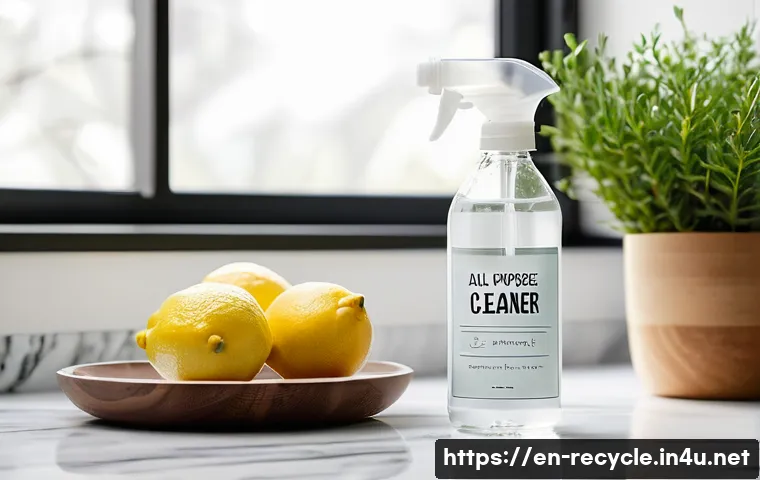
Making your own natural cleaning products at home is not only a smart way to reduce exposure to harsh chemicals but also a fantastic way to save money and help the environment.
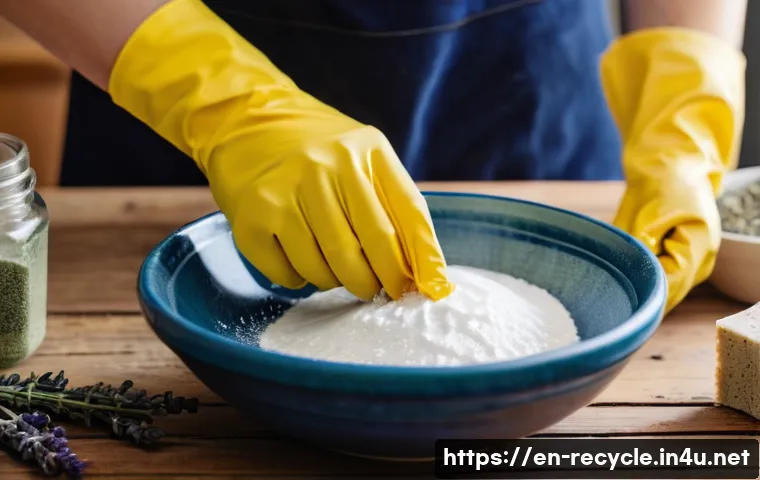
Many store-bought cleaners contain ingredients that can be harmful to both your family and the planet, so switching to DIY options means cleaner surfaces and a greener conscience.
Plus, crafting your own solutions allows you to customize scents and ingredients to suit your preferences and needs. Over time, you’ll notice how these simple, effective recipes make cleaning less of a chore and more of a satisfying routine.
Let’s dive into the details and discover how easy and rewarding natural cleaning can be!
Choosing the Right Ingredients for Effective Natural Cleaning
Understanding Common Natural Cleaners and Their Benefits
When you start making your own cleaning products, one of the first things you’ll notice is how versatile simple ingredients like vinegar, baking soda, and lemon juice can be.
Vinegar, for example, is a powerhouse for cutting through grease and breaking down mineral deposits, while baking soda acts as a gentle abrasive that lifts stains without scratching surfaces.
Lemon juice not only adds a fresh scent but also has antibacterial properties. What’s great about these ingredients is that they’re usually already in your pantry, so you don’t need to hunt down specialty items to get started.
I personally love how these basics can be mixed and matched depending on the cleaning task at hand.
Choosing Essential Oils for Scent and Antimicrobial Power
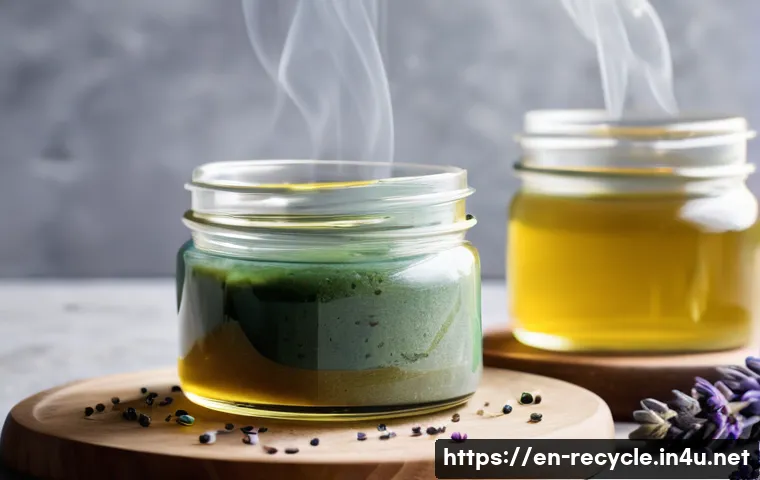
Adding essential oils to your DIY cleaners not only makes your home smell amazing but can boost the cleaning power. Tea tree oil and eucalyptus, for instance, have natural antimicrobial effects that can help kill germs.
Lavender and lemon oils provide a calming, fresh scent that can make your cleaning routine feel more enjoyable. When I first experimented with essential oils, I found that a few drops go a long way, so a small bottle can last for months.
Just be mindful if you have pets or kids, as some oils might not be safe for them, so always research before use.
How to Select Ingredients Based on Surface Type
Not every natural cleaner works well on every surface, so it’s important to tailor your recipes accordingly. For example, vinegar is fantastic on glass and tile but can dull natural stone like granite or marble, so it’s best avoided there.
Baking soda works great on sinks and tubs but might scratch delicate wood finishes. When I switched to homemade solutions, I learned through trial and error which combinations worked best for my kitchen counters versus my hardwood floors.
This knowledge helps prevent damage and keeps everything looking fresh without relying on harsh chemicals.
Simple Formulas for Everyday Cleaning Tasks
All-Purpose Spray for Counters and Surfaces
One of the easiest recipes to whip up is a basic all-purpose cleaner. Mix equal parts water and white vinegar in a spray bottle, then add a few drops of your favorite essential oil for scent.
This solution works wonders on countertops, stainless steel appliances, and even windows. I keep a bottle handy in the kitchen and bathroom for quick wipe-downs, and it’s saved me countless trips to the store for specialty sprays.
The best part? It’s cheap and safe to use around kids.
Natural Scrubbing Paste for Tough Stains
When you encounter stubborn grime or soap scum, a homemade paste made from baking soda and water can be a lifesaver. It’s abrasive enough to scrub away residue but gentle enough not to harm your fixtures.
You can also add a little castile soap for extra cleaning power. I once used this paste to clean my oven racks, and the results were impressive without the harsh fumes of commercial oven cleaners.
Just apply, let sit for a few minutes, then scrub and rinse.
Glass and Mirror Cleaner That Leaves No Streaks
For streak-free glass, mix 2 cups of water with 1/4 cup of white vinegar and 1/2 teaspoon of liquid castile soap. Spray on mirrors or windows and wipe with a microfiber cloth.
This blend cuts through fingerprints and leaves surfaces sparkling clear. I found that using a microfiber cloth, rather than paper towels, really makes a difference in preventing streaks and lint residue.
This simple recipe has replaced my usual glass cleaners and is gentler on the environment.
Customizing Your Cleaning Routine with Personal Preferences
Adjusting Scents to Boost Mood and Motivation
Cleaning can sometimes feel like a chore, but adding a scent that lifts your spirits can make a huge difference. I often rotate essential oils based on the season or my mood—citrus in the spring and summer for a fresh, energizing vibe, and cinnamon or clove in the fall for a cozy feel.
This small change turns cleaning from a mundane task into a mini self-care ritual. Plus, the natural fragrances don’t come with the headaches that synthetic perfumes can cause.
Tailoring Recipes for Specific Household Needs
Every home has unique cleaning challenges, whether it’s pet odors, hard water stains, or sticky fingerprints from kids. Customizing your recipes allows you to target these issues precisely.
For example, if you have pets, adding a few drops of lavender oil can help neutralize odors while being safe for animals. For hard water buildup, increasing the vinegar concentration can work wonders.
I’ve found that experimenting with ingredient ratios and combinations helps me solve problems more effectively than generic store-bought products.
Making Cleaning Fun with Family Involvement
Getting everyone involved in making and using these DIY cleaners can be surprisingly fun and educational. My kids love picking scents and helping mix solutions, which not only teaches them about natural ingredients but also encourages responsibility.
Turning cleaning into a family activity with personalized products makes the whole process feel less like a burden. Plus, it’s rewarding to see how simple ingredients can transform your home without harsh chemicals.
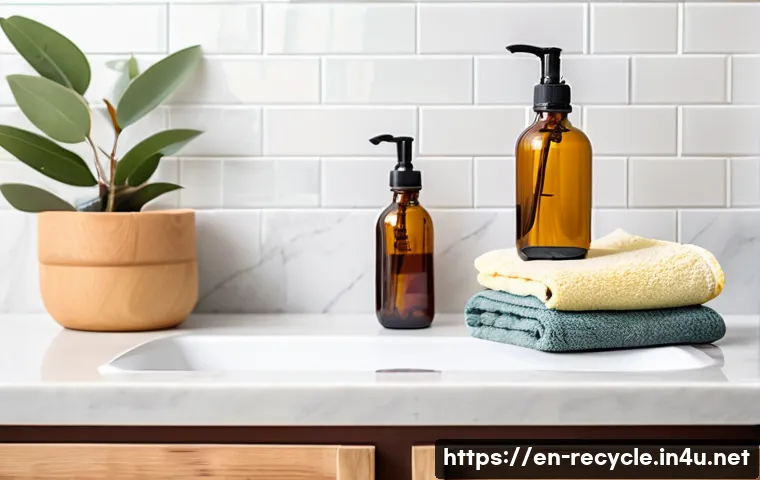
Ensuring Safety and Storage for Homemade Cleaners
Proper Labeling and Storage Tips
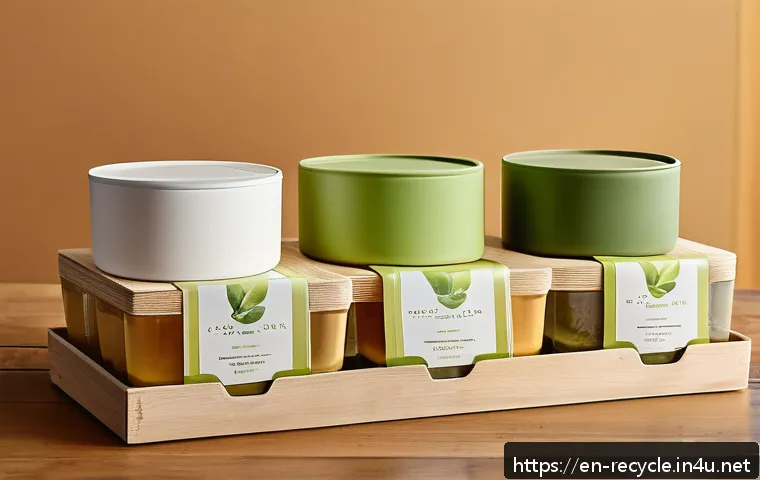
Once you start making your own cleaning solutions, it’s crucial to label each bottle clearly to avoid confusion and ensure safe use. I use waterproof labels and write the ingredients and date made.
Storing cleaners in a cool, dark place extends their shelf life and maintains effectiveness. For me, keeping a dedicated cabinet for DIY products helps keep everything organized and out of reach of children.
Safety Precautions When Using Natural Ingredients
Natural doesn’t always mean harmless, so it’s important to handle even homemade cleaners with care. For example, undiluted vinegar can irritate skin and eyes, and essential oils can cause allergic reactions if used improperly.
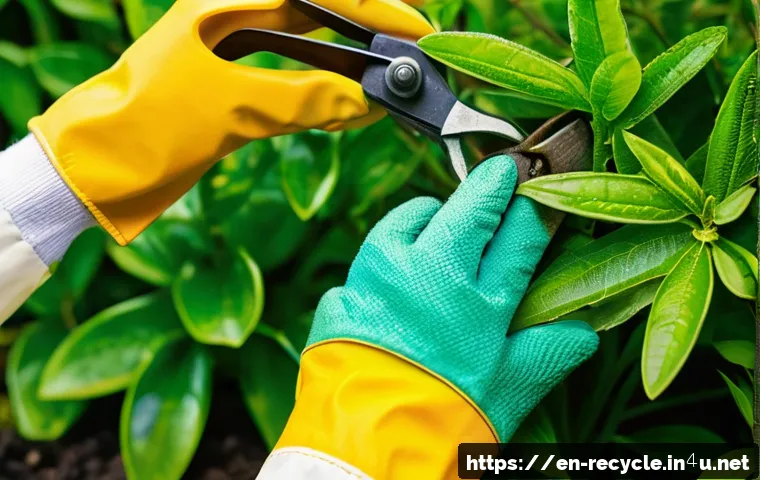
Wearing gloves when mixing and testing solutions on small surface areas first can prevent accidents. I learned this the hard way when a strong essential oil blend caused a mild skin reaction, so I now always dilute oils carefully and keep safety in mind.
Disposal and Environmental Considerations
One of the perks of natural cleaners is they’re generally safer for the environment when disposed of correctly. However, it’s still important not to pour large quantities down the drain at once, especially if they contain oils or concentrated acids.
Composting leftover ingredients like lemon peels or baking soda is a great way to minimize waste. I also try to reuse spray bottles and containers, which cuts down on plastic waste and aligns with the eco-friendly spirit of homemade cleaning.
Comparing Natural Ingredients for Specific Cleaning Tasks
| Ingredient | Best Used For | Advantages | Precautions |
|---|---|---|---|
| White Vinegar | Grease, mineral deposits, glass | Affordable, antibacterial, deodorizes | Avoid on natural stone, strong smell |
| Baking Soda | Scrubbing, deodorizing, stain removal | Gentle abrasive, non-toxic, versatile | Can scratch delicate surfaces |
| Lemon Juice | Disinfecting, stain removal, deodorizing | Natural bleach, pleasant scent, antibacterial | Can bleach fabrics, avoid prolonged sun exposure on surfaces |
| Castile Soap | General cleaning, degreasing | Plant-based, gentle, biodegradable | Can leave residue if overused |
| Essential Oils (Tea Tree, Lavender, Eucalyptus) | Disinfecting, scent enhancement | Antimicrobial, natural fragrance | Allergy risk, keep away from pets |
Maintaining Consistency and Effectiveness Over Time
Tracking What Works Best for Your Home
As you experiment with different recipes, keeping notes on what works best for your surfaces and cleaning needs can save time and frustration. I keep a small journal where I jot down ingredient ratios, scent blends, and results.
Over time, this habit helped me develop a go-to set of recipes that consistently deliver great results. It’s a simple way to avoid repeating trial and error every time you clean.
Refreshing Solutions to Maintain Potency
Natural cleaners can lose potency if stored too long, especially those with essential oils or vinegar. I’ve learned that refreshing solutions every few weeks keeps them effective and smelling fresh.
For example, I might add a few drops of essential oil or a splash of vinegar to a bottle that’s been sitting unused. This small maintenance step ensures my cleaning routine stays efficient without needing to remake everything from scratch constantly.
Balancing Convenience and Sustainability
While making natural cleaners at home is eco-friendly and cost-effective, balancing the time and effort involved is key to sticking with it long term.
I found that batch-making larger quantities and storing them in reusable containers saves time during busy weeks. Also, keeping a few store-bought natural products on hand for quick clean-ups helps maintain flexibility.
This balance keeps cleaning manageable and sustainable without feeling overwhelming.
Wrapping Up
Choosing the right natural ingredients can transform your cleaning routine into a safe, effective, and enjoyable experience. By understanding each ingredient’s strengths and limitations, you can tailor solutions that work perfectly for your home. Experimenting with scents and formulas adds a personal touch, making cleaning less of a chore. With a bit of practice, natural cleaning becomes both eco-friendly and budget-friendly without sacrificing results.
Useful Tips to Remember
1. Always test natural cleaners on a small, hidden area first to avoid damage to delicate surfaces.
2. Use essential oils sparingly and research any safety concerns, especially if you have pets or children.
3. Store homemade cleaners in clearly labeled containers away from direct sunlight to maintain their effectiveness.
4. Refresh your solutions regularly by adding fresh ingredients to keep their cleaning power strong.
5. Involve your family in making and using DIY cleaners to make the process fun and educational for everyone.
Key Takeaways for Safe and Effective Natural Cleaning
Understanding ingredient compatibility with different surfaces is crucial to avoid unintended damage. Proper labeling and storage extend the life of your homemade cleaners while keeping your household safe. Always handle concentrated natural ingredients carefully to prevent skin irritation or allergic reactions. Lastly, balancing convenience with sustainability helps maintain a consistent cleaning routine that fits your lifestyle without overwhelming effort.
Frequently Asked Questions (FAQ) 📖
Q: Are homemade natural cleaning products as effective as commercial cleaners?
A: Absolutely! Many natural ingredients like vinegar, baking soda, and lemon have powerful cleaning properties that can tackle dirt, grease, and grime just as well as store-bought options.
From my own experience, using a simple mix of vinegar and water works wonders on glass and countertops, leaving them spotless without any harsh chemical smell.
While some stubborn stains might require a bit more elbow grease, these DIY solutions provide a safe, effective, and satisfying way to keep your home clean.
Q: How long do homemade natural cleaners last, and how should I store them?
A: Most natural cleaning solutions last around one to two weeks when stored properly in a cool, dark place, ideally in glass spray bottles. Because they lack preservatives, they don’t have the same shelf life as commercial products.
I keep mine in labeled bottles and make small batches frequently to ensure freshness and potency. If you notice any changes in smell or appearance, it’s best to make a new batch to keep things safe and effective.
Q: Can I customize the scent of my natural cleaning products?
A: Definitely! One of the best parts of making your own cleaners is tailoring the fragrance to your liking. Adding a few drops of essential oils like lavender, eucalyptus, or peppermint can elevate the cleaning experience and leave your home smelling fresh and inviting.
Personally, I love mixing lemon and tea tree oils for a bright, clean scent that also has antibacterial benefits. Just remember to shake the bottle before each use to evenly distribute the oils.