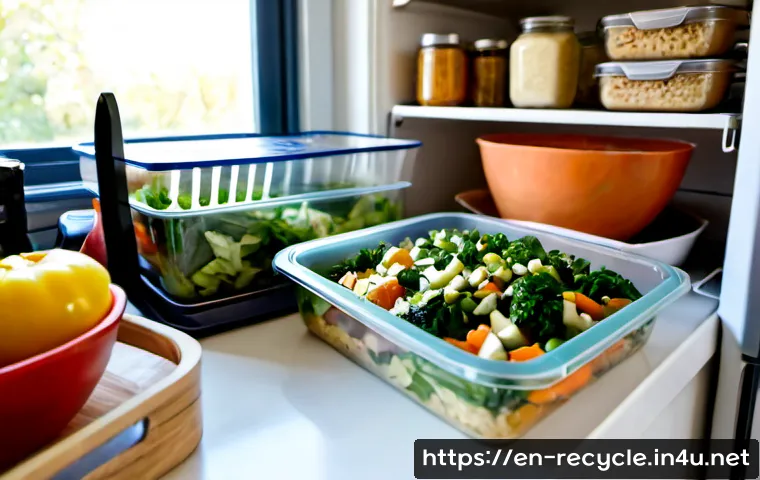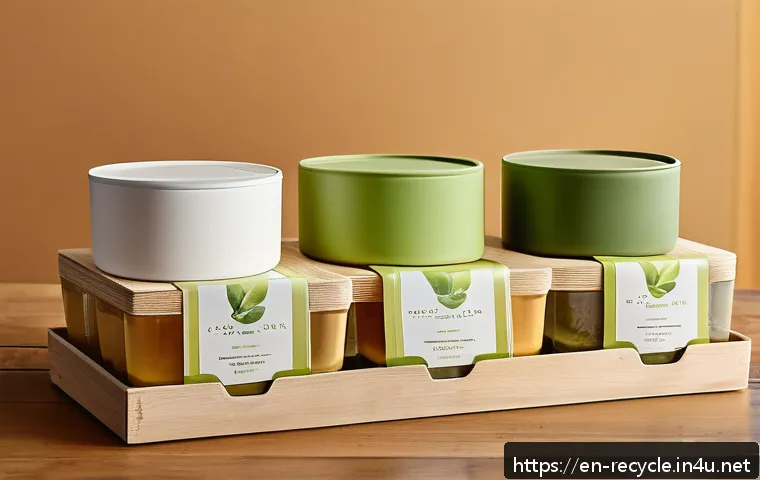
As climate concerns intensify and consumers demand greener choices, the packaging industry is undergoing a remarkable transformation. Innovative materials and smart design are paving the way for truly sustainable solutions that reduce waste and carbon footprints.
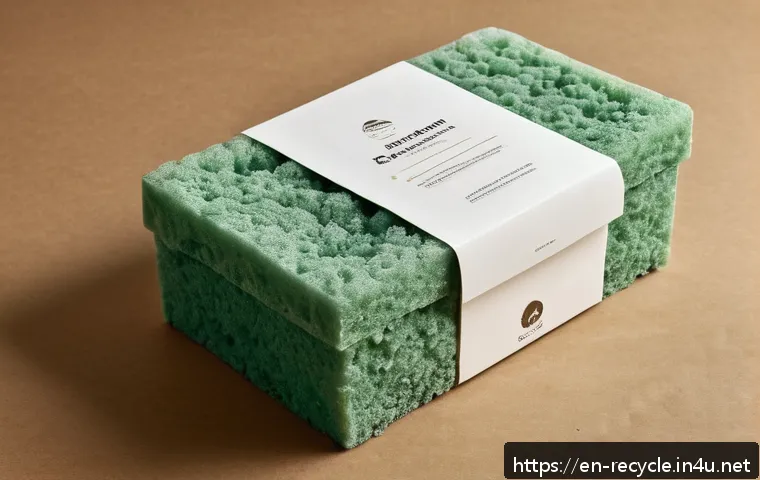
If you’ve ever wondered how your favorite brands are evolving to meet eco-friendly goals, now is the perfect time to dive into the latest trends reshaping packaging.
From biodegradable alternatives to cutting-edge recycling technologies, the future of sustainable packaging is not only promising but already within reach.
Join me as we explore these exciting developments and discover how they impact both businesses and everyday lives.
Revolutionizing Packaging with Plant-Based Materials
Exploring the Rise of Bioplastics
Bioplastics have surged in popularity as brands seek to ditch conventional plastics that linger in the environment for centuries. Made from renewable sources like corn starch, sugarcane, or cellulose, these materials break down more quickly and reduce reliance on fossil fuels.
What’s exciting is how bioplastics now come in various forms—some designed to degrade in composting conditions, others engineered for durability and reuse.
From food containers to cosmetic jars, I’ve noticed more products adopting bioplastics, which offer a much-needed balance between functionality and sustainability.
However, it’s important to recognize that not all bioplastics are created equal; their environmental impact depends heavily on disposal methods and regional composting infrastructure.
Seaweed and Mushroom Packaging Innovations
Nature is inspiring some of the coolest packaging breakthroughs, especially when it comes to seaweed and mushrooms. Seaweed-based packaging, for example, is edible, water-soluble, and decomposes rapidly without leaving harmful residues.
This makes it ideal for single-use sachets or wrapping. Mushroom packaging, derived from mycelium, is gaining traction for cushioning and protective materials in shipping, replacing polystyrene foam.
I had a chance to try a product packaged in mushroom foam recently, and it felt surprisingly sturdy yet eco-friendly. These materials tap into natural cycles, offering a closed-loop approach that minimizes waste and supports soil health once discarded.
Challenges in Scaling Plant-Based Solutions
While plant-based packaging is promising, scaling production to meet global demand remains a hurdle. Raw material availability fluctuates with agricultural cycles and competing uses like food production.
Cost is another barrier, as bioplastics currently tend to be pricier than traditional plastics, affecting their adoption by smaller businesses. Plus, consumer confusion over labeling—such as “biodegradable” versus “compostable”—can impede proper disposal, undermining environmental benefits.
It’s clear that alongside innovation, education and infrastructure development must progress to fully realize plant-based packaging’s potential.
Smart Designs That Maximize Sustainability
Minimalism and Lightweighting in Packaging
One of the most effective strategies for reducing packaging waste is simply using less material. Brands are embracing minimalist designs that strip away unnecessary layers, adhesives, and inks without compromising product protection.
Lightweighting also plays a big role—thinner bottles, flexible pouches, and compact shapes reduce resource consumption and lower transportation emissions.
In my experience, these sleek packages not only look modern but feel more convenient and responsible. The key is balancing minimalism with durability, ensuring products reach consumers safely while cutting down on environmental impact.
Modular and Reusable Packaging Systems
Reusable packaging is stepping into the spotlight as consumers demand more sustainable habits. Modular designs that can be refilled or repurposed extend the life of containers and reduce single-use waste.
For instance, some beauty brands offer refill pouches that fit into elegant outer shells, allowing customers to reuse the main packaging multiple times.
This trend fosters loyalty and cuts waste, though it requires a shift in consumer mindset and retail logistics. I’ve personally switched to refillable deodorants and shampoo bottles, and it’s satisfying to know my daily routine contributes less plastic to the landfill.
Smart Labels and QR Codes for Transparency
Technology is weaving sustainability into packaging in innovative ways. Smart labels equipped with QR codes provide detailed product and recycling information, empowering consumers to make eco-conscious choices.
Some brands use these codes to share a product’s carbon footprint, sourcing details, or instructions for proper disposal. In trials, I found scanning QR codes on packaging helped me sort recyclables correctly, which isn’t always intuitive.
These digital tools enhance transparency, build trust, and encourage responsible behavior, bridging the gap between manufacturers and consumers.
Advanced Recycling Technologies Changing the Game
Chemical Recycling and Its Potential
Traditional mechanical recycling has limits, especially for plastics contaminated with food residue or mixed materials. Chemical recycling offers a promising alternative by breaking plastics down to their molecular building blocks, enabling the production of virgin-quality polymers.
This process can handle a wider range of plastic types and contamination levels, potentially transforming waste management. Although still emerging, chemical recycling plants are expanding globally, and some brands are partnering with innovators to incorporate chemically recycled content into their packaging.
From what I’ve seen, this technology could significantly close the loop on plastic waste if scaled efficiently.
Enhanced Sorting with AI and Robotics
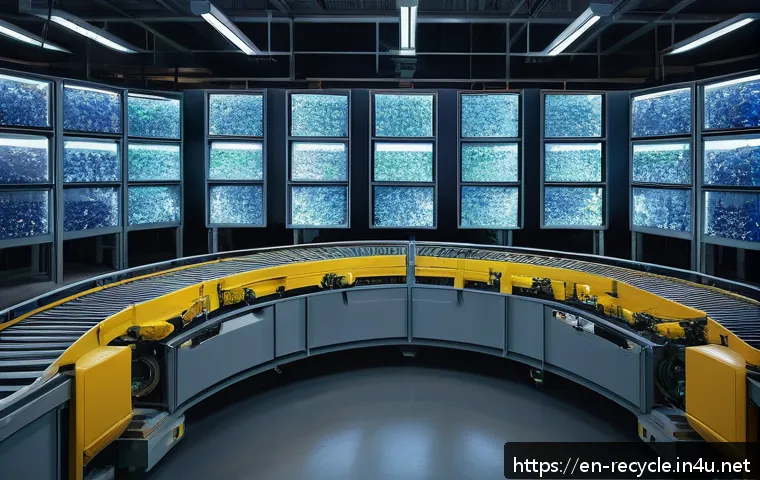
Sorting facilities are becoming smarter thanks to artificial intelligence and robotics. Cameras and sensors can now identify and separate different materials at high speed and accuracy, improving recycling rates and reducing contamination.
I visited a recycling center recently where robots were autonomously picking out PET bottles from mixed waste streams—this level of automation boosts efficiency and lowers costs.
Better sorting means higher-quality recycled materials, which encourages brands to invest in recycled-content packaging. It’s a game-changer that supports circular economy goals.
Challenges in Recycling Infrastructure Expansion
Despite technological advances, recycling infrastructure varies widely by region, limiting impact. Many communities lack convenient access to recycling programs or face logistical challenges in collecting and processing materials.
This disparity means even the best-designed recyclable packaging can end up in landfills. Addressing these gaps requires coordinated policy support, investments in facilities, and public engagement campaigns.
From my perspective, pushing for infrastructure improvements is just as critical as innovating materials to create a truly sustainable packaging ecosystem.
Consumer Behavior and Its Influence on Packaging Evolution
Demand for Eco-Friendly Packaging Driving Change
Consumers today are more environmentally conscious than ever, and their preferences are shaping packaging decisions. Surveys consistently show that shoppers prioritize brands with sustainable packaging, even willing to pay a premium.
This shift pressures companies to rethink materials and design to meet expectations. I’ve noticed that when a product boasts compostable or recycled packaging, it stands out on shelves and influences my purchasing choices.
This market demand is a powerful catalyst, pushing innovation from the margins to mainstream retail.
Education as a Key to Proper Disposal
Even the most sustainable packaging fails if consumers don’t dispose of it correctly. Clear labeling and educational efforts are vital to guide users on recycling or composting processes.
Confusion over what can be recycled often leads to contamination, which hampers recycling efforts. Brands are increasingly investing in user-friendly guides and campaigns to close this gap.
From my experience, when companies make disposal instructions simple and visible, it increases compliance and improves overall environmental outcomes.
Balancing Convenience with Sustainability
A major challenge lies in aligning sustainability with consumer convenience. Packaging must protect products, be easy to open, and fit lifestyle needs, or shoppers might reject it despite its eco benefits.
For example, reusable containers that are bulky or hard to clean can deter reuse. In contrast, clever designs that integrate convenience—like resealable bags or refill stations—enhance adoption.
I find that the brands nailing this balance create a win-win for both the planet and customer satisfaction.
Industry Collaboration and Policy Impact
Cross-Sector Partnerships Accelerating Innovation
The packaging revolution is not happening in isolation—collaboration between manufacturers, retailers, recyclers, and governments is crucial. Industry consortia share knowledge, pool resources, and develop standards that drive sustainability forward.
I’ve observed that when companies join forces, progress accelerates, such as through joint investment in recycling infrastructure or standardized labeling systems.
These partnerships create scale and credibility, making sustainable packaging more accessible and effective.
Regulatory Frameworks Shaping Packaging Practices
Governments worldwide are stepping up with policies that encourage or mandate sustainable packaging. Measures like plastic bans, minimum recycled content requirements, and extended producer responsibility laws are reshaping industry behavior.
While compliance can be challenging, it also sparks innovation and levels the playing field. In regions with strong regulations, I’ve seen a noticeable uptick in eco-friendly packaging options, demonstrating how policy can drive real change beyond voluntary efforts.
Future Outlook: Toward a Circular Packaging Economy
The ultimate goal is a circular economy where packaging is designed to be reused, recycled, or composted indefinitely, eliminating waste altogether. Achieving this vision requires integrating material innovation, design strategies, consumer engagement, and systemic support.
From my perspective, the momentum is undeniable, and every step forward brings us closer to packaging that respects the planet without sacrificing performance.
Staying informed and supporting these shifts as consumers can amplify the impact, making sustainable packaging the new norm.
| Packaging Type | Main Material Source | Environmental Benefit | Current Challenges |
|---|---|---|---|
| Bioplastics | Plant starches (corn, sugarcane) | Reduced fossil fuel use, faster degradation | Cost, composting infrastructure, varied biodegradability |
| Seaweed Packaging | Marine algae | Edible, water-soluble, rapid decomposition | Durability, scalability, moisture sensitivity |
| Mushroom Packaging | Mycelium fungi | Compostable, replaces polystyrene | Production scale, shelf life, consumer awareness |
| Chemical Recycling | Mixed plastic waste | Breaks plastics to virgin-quality materials | High energy use, commercial scale-up, cost |
| Reusable Packaging | Various durable materials | Reduces single-use waste, encourages circularity | Consumer adoption, cleaning logistics, upfront cost |
In Conclusion
The shift toward plant-based packaging marks a significant step in reducing environmental impact while meeting consumer needs. Although challenges remain in scalability and infrastructure, ongoing innovation and collaboration are paving the way for a more sustainable future. By embracing these materials and smart designs, we can collectively drive a packaging revolution that benefits both the planet and businesses.
Useful Information to Know
1. Bioplastics offer a renewable alternative to traditional plastics but require proper composting facilities to maximize their environmental benefits.
2. Seaweed and mushroom packaging are emerging as eco-friendly options that decompose quickly and reduce waste from single-use plastics.
3. Lightweight and minimalist packaging not only conserves resources but also lowers transportation emissions, creating a smaller carbon footprint.
4. Smart packaging technologies like QR codes help consumers make informed decisions about recycling and disposal.
5. Collaboration between industries and supportive policies are essential to expanding recycling infrastructure and promoting sustainable packaging practices.
Key Takeaways
Plant-based packaging holds great promise but must be supported by consumer education, infrastructure development, and industry partnerships. Success depends on balancing sustainability with convenience and affordability while advancing recycling technologies. Ultimately, moving toward a circular packaging economy will require integrated efforts across all sectors to minimize waste and protect the environment for future generations.
Frequently Asked Questions (FAQ) 📖
Q: What are the most common sustainable materials used in eco-friendly packaging today?
A: Today, many brands are turning to biodegradable materials like cornstarch-based plastics, mushroom packaging, and seaweed-derived films. These materials break down naturally without harming the environment, unlike traditional plastics.
I’ve noticed that companies also use recycled paper and cardboard, which offer a familiar feel while minimizing waste. The key is that these materials not only reduce landfill burden but often require less energy to produce, helping cut overall carbon emissions.
Q: How do smart design strategies contribute to sustainable packaging efforts?
A: Smart design plays a huge role in sustainability by reducing material use and improving recyclability. For example, brands are creating packaging that’s easier to separate into recyclable parts or using minimal layers to avoid unnecessary waste.
I recently saw a product with a refillable container system, which encourages customers to reuse packaging rather than toss it. These thoughtful design choices extend a product’s life cycle and make it simpler for consumers to participate in eco-friendly habits.
Q: Are advanced recycling technologies really making a difference in reducing packaging waste?
A: Absolutely. New recycling technologies like chemical recycling and AI-powered sorting systems are game changers. Chemical recycling can break down plastics into their original components, allowing for higher quality reuse compared to traditional mechanical methods.
AI sorting improves the accuracy of separating different materials, which means less contamination and more efficient recycling streams. From my experience, these innovations are gradually being adopted by big brands, signaling a hopeful shift toward a circular economy in packaging.