Cut household food waste with practical shopping, storage, leftover, and freezer habits. Compare low-cost routines with useful kitchen tools to decide what saves money in your home.
The quickest way to waste less food is to buy a little less, keep soon-to-expire items visible, and freeze suitable food before it is forgotten. Most households can start with free routines before considering storage containers, a vacuum sealer, a meal-planning app, or a countertop composter.
Planning a few flexible meals helps prevent overbuying without making every dinner feel scheduled. Clear containers and simple labels can make leftovers easier to notice and use.
Tools can be useful, but their value depends on available space, cleanup time, and whether your household will use them consistently. Start with the habits that fit your week, then upgrade only where a recurring problem remains.
At a Glance
- Buy less first: a flexible shopping list and a visible “use first” area cost nothing and can prevent edible food from being forgotten.
- Store with a plan: use clear containers, date labels, and freezer portions to make food easier to identify and use.
- Choose tools for real habits: vacuum sealers, meal-planning apps, and countertop composters work best when they solve a problem your household has every week.
| Option | Best For | What It Can Help With | What to Consider Before Buying |
|---|---|---|---|
| Flexible shopping list | Any household | Buying quantities you are more likely to use | Requires a quick check of the fridge, freezer, and pantry first |
| Clear food-storage containers and freezer labels | Leftovers and shared kitchens | Making food visible, portioned, and easier to identify | Choose sizes you will actually stack, wash, and reuse |
| Produce-storage system | Households that regularly buy fresh produce | Organizing items by storage needs | Different produce has different refrigerator or room-temperature needs |
| Vacuum sealer | Frequent bulk buyers and active freezer users | Packaging portions for planned freezer use | Consider storage space, cleanup, and recurring bag or accessory needs |
| Meal-planning app | Busy households with changing schedules | Matching meals to groceries already at home | Its value depends on whether you will keep using it |
| Countertop composter | Homes with suitable local food-scrap options | Handling some scraps after edible food has been used | Check local rules, capacity, cleanup, and any recurring supplies |
The Fastest Ways to Stop Edible Food From Being Thrown Away
The fastest improvements usually come from changing what happens before food reaches the bin. Focus on shopping, visibility, and timely freezing. These steps are simple, but they work only when they fit the way your household actually cooks.
Start With a Smaller, More Flexible Shopping List
Before shopping, look at what is already in the fridge, freezer, and pantry. Build meals around food that needs attention first, then add only the missing ingredients. A flexible list is often more useful than a rigid weekly menu: choose a few meal ideas, leave room for schedule changes, and avoid buying a full set of ingredients for every possible dinner.
For example, buy ingredients that can work across several meals rather than items that have only one purpose. If plans change, you have more options. The goal is not to shop perfectly; it is to avoid treating the grocery store as a backup pantry for food you may not use.
Create a Visible “Use First” Section in the Fridge
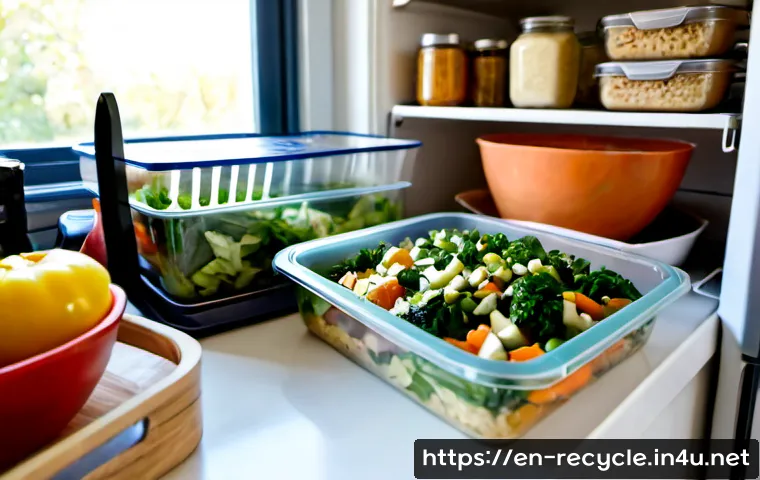
Choose one shelf, bin, or clearly marked container for food that should be eaten soon. Put opened items, leftovers, partial ingredients, and produce that is ready to use in this area. In a shared household, a visible system is more reliable than expecting everyone to remember what was purchased first.
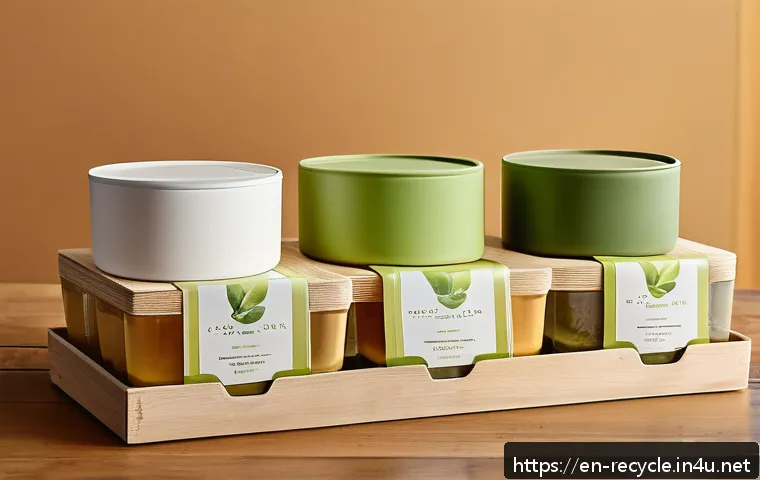
Clear food-storage containers can help because the contents are easier to see at a glance. If opaque containers suit your kitchen better, use a label with the contents and date. Visibility matters more than having a matching set of containers.
Freeze Food While It Is Still Usable, Not After It Is Forgotten
Freezing suitable foods before they spoil gives you more time to use them. Make this part of your routine when you unpack groceries or clean up after a meal. Divide food into portions that match how you cook, then label each package with its contents and date.
A freezer is not a place to delay decisions forever. Review it regularly and plan a meal around what is already there. If you freeze large quantities without labeling them, the freezer can become another place where food disappears.
Compare Free Habits, Basic Storage Upgrades, and Kitchen Tools
Start with no-cost habits, then use tools to solve a specific recurring problem. A kitchen product is more likely to earn its place when it saves time or makes an existing routine easier to maintain.
Low-Cost Essentials: Labels, Clear Containers, Portioning, and Freezer Organization
Basic storage upgrades can be enough for many homes. Reusable containers, freezer labels, and a marker support a simple
Keep similar items together in the freezer, such as cooked portions, vegetables, or partial ingredients. This makes a quick inventory easier when you are deciding what to cook. A meal-planning app can also be useful here if it helps you make a plan from food already on hand rather than adding more shopping tasks.
When Airtight Containers or Produce-Storage Systems Can Add Value
Airtight food-storage containers may be worth considering if leftovers regularly dry out, spill, or get lost behind packaging. Produce-storage systems can be useful when fresh produce is a consistent source of waste and your refrigerator is difficult to organize.
Do not assume every fruit or vegetable belongs in the same place. Some produce keeps better refrigerated, while other items are better stored at room temperature. Check the needs of the foods you buy most often instead of applying one storage rule to everything.
When a Vacuum Sealer or Meal-Planning App May Justify Its Cost
A vacuum sealer may make sense for households that frequently portion food for the freezer, buy in larger quantities, or prepare meals ahead. It is less compelling if food is mainly wasted because of overbuying or because leftovers are not being noticed. Solve those issues first.
A meal-planning app may be a better fit if your main challenge is decision fatigue after work. Look for features that make it easier to build meals around existing groceries, adjust plans, and create a practical shopping list. Compare the setup effort and any recurring costs with your realistic weekly use.
Store Groceries in Ways That Make Them Easier to Use
The best storage system is one that tells you what to eat next. Organize food by urgency, not just by category or appearance.
Separate Foods by How Soon They Need to Be Eaten
Place foods you expect to use later in the week behind foods that need attention sooner. Keep unopened items separate from opened items where possible. This small change reduces the chance that a newer purchase hides an older one.
For busy households, a short check before cooking is enough: look in the “use first” section, then choose a meal that uses one or two items from it. This keeps food waste reduction tied to normal meal decisions rather than turning it into a separate project.
Avoid Common Produce-Storage Mistakes
Fresh produce does not all have the same storage needs. Some items do better in the refrigerator, while others are better at room temperature. Avoid washing or preparing produce far in advance unless that makes it more likely to be used and you have a storage plan for it.
If you tend to forget produce in drawers, move the items you want to use soon into a more visible area. The goal is not a picture-perfect fridge. It is a fridge where the next meal is easy to see.
Label Leftovers and Build a Simple Leftover Night Into the Week
Label leftovers with the food and date when they go into the refrigerator or freezer. A date label does not replace food-safety guidance, but it helps you identify what is there and plan to use it.
Set aside one flexible meal opportunity for leftovers. It can be a dedicated leftover night, a lunch plan, or a mix-and-match dinner. If there is not enough of one dish for a full meal, pair it with a simple side or another leftover rather than letting small portions accumulate.
Build a Routine That Works for Your Household Schedule
Food waste often comes from a mismatch between shopping plans and real life. Build a routine around your busiest days, not your ideal week.
Tips for Busy Professionals and Households That Cook Irregularly
Choose groceries that can be used in more than one way and freeze suitable portions early. Keep a short list of easy meals that use pantry, freezer, and refrigerator ingredients together. When plans change, move a planned meal to the freezer rather than leaving its ingredients unused.
If several people shop or cook, agree on one place for leftovers and one place for items that need to be used first. A shared note or meal-planning app may help, but only if everyone will check it.
Batch Cooking Without Creating a Freezer Full of Forgotten Meals
Batch cooking can reduce prep work, but it should be matched to your available freezer space and eating habits. Portion meals before freezing so you can take out only what you need. Label clearly and include batch-cooked food in your regular meal plan.

Before making another large batch, check what is already frozen. Cook less if the freezer is full of meals you are not choosing. The purpose is convenience, not building an unmanaged inventory.
Ways to Handle Restaurant Leftovers and Small Partial Ingredients
Bring restaurant leftovers home only when you have a realistic plan to eat them. Put them in the visible “use first” area and include them in your next meal decision. For small partial ingredients, create a simple “finish this” meal such as a bowl, soup, salad, sandwich, or mixed plate based on what is available.
Small amounts are easy to overlook, so grouping them in one container or one refrigerator section can make them easier to use before they become waste.
Use Scraps Responsibly and Avoid Unsafe “Save Everything” Habits
Reducing food waste does not mean keeping every item indefinitely. Prioritize eating food while it is usable, follow applicable “use by” guidance, and use composting for appropriate scraps where options exist.
What Belongs in Food-Scrap Collection or a Compost System
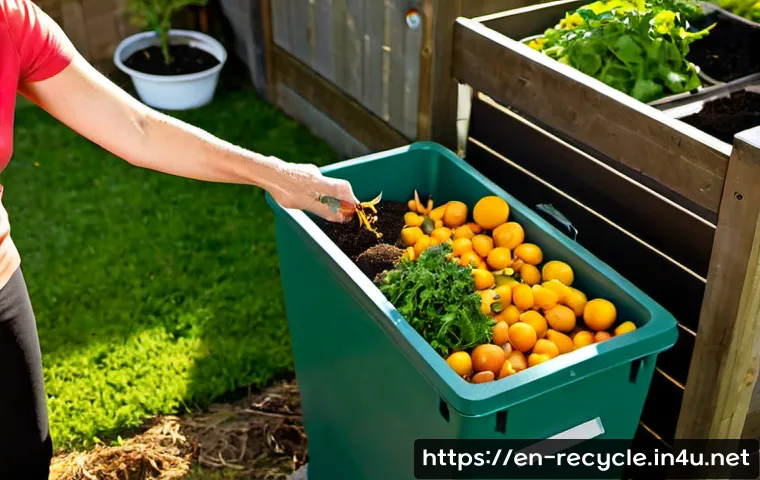
Food-scrap collection and home composting can reduce the amount of food scraps sent to landfill where local programs or suitable home systems are available. What belongs in a collection bin or compost system depends on local rules and the type of system you use.
Check accepted materials before adding scraps. A countertop composter should be viewed as one part of a waste-handling setup, not as a reason to buy more food than your household can use.
When to Discard Food Rather Than Rely on Appearance Alone
“Best before” dates commonly relate to quality rather than an automatic safety cutoff. “Use by” guidance should be followed where it is used. Storage timelines and food-safety considerations vary by food type, packaging, temperature, and local public-health guidance.
If you are uncertain about whether food should be eaten, use reliable local food-safety guidance rather than relying on appearance alone. A waste-reduction goal should never override safe handling.
Check Local Collection Rules Before Buying Composting Equipment
Before purchasing a countertop composter or other composting equipment, find out whether your city, building, or waste provider offers food-scrap collection. Also consider where the output will go and how often you will realistically run and clean the appliance.
For some households, a local collection caddy may be sufficient. For others, a composting appliance may fit an established routine. Local availability and disposal rules can make a major difference.
Choosing the Right Setup for Your Household
Best Approach for Small Kitchens and Renters
Start small: a flexible grocery list, one “use first” fridge zone, freezer labels, and a few stackable containers. These options use little space and can move with you. Consider a meal-planning app only if it helps simplify shopping and weekday decisions.
For composting, confirm building rules and local food-scrap collection options before dedicating counter space to equipment.
Best Approach for Families Buying Larger Grocery Shops
Larger grocery shops can benefit from a clear rotation system, larger freezer organization, and portions that match family meals. Clear containers and labels can reduce confusion when several people use the same kitchen. A vacuum sealer may be worth comparing if you consistently freeze planned portions and will use it often.
Compare Upfront Price, Recurring Supplies, Space, Cleanup, and Likely Food Savings
Ask a few practical questions before upgrading your setup:
- What food do we throw away most often: produce, leftovers, bulk purchases, or partial ingredients?
- Will this tool be used every week, or only when motivation is high?
- Do we have room to store it, clean it, and keep its supplies on hand?
- Does it reduce a real problem that labels, smaller shopping trips, or better meal planning cannot solve?
- Are there recurring costs or local disposal requirements to consider?
Compare capacity, cleanup time, recurring costs, and realistic weekly use before choosing a food-storage container set, vacuum sealer, meal-planning subscription, or countertop composter. For product-specific features and conditions, check the relevant product page before purchasing.
Closing Thoughts
Reducing food waste works best when it becomes part of ordinary kitchen decisions. Buy with flexibility, make food visible, and freeze suitable items before they are forgotten. Basic organization can solve many problems without a major purchase. If a tool removes a consistent obstacle in your routine, it may be worth considering; if not, simple habits are often enough.
Useful Things to Know
1. A “use first” section can be more effective than reorganizing the entire refrigerator.
2. Clear date labels make leftovers and frozen portions easier to identify.
3. Meal planning works better when it includes room for changed schedules.
4. Composting handles scraps; it does not replace buying and using food thoughtfully.
Important Notes
Food storage needs, safety timelines, and date-label guidance vary by food type, storage temperature, packaging, and local guidance. Follow “use by” guidance where it applies. Local rules for food-scrap collection, composting, and disposal also vary by city, building, and waste provider. Any savings from kitchen tools depend on your household size, habits, food prices, and how consistently the system is used.
Frequently Asked Questions
Q1. What is the cheapest way to reduce food waste at home?
A1. Start with free habits: check what you already have before shopping, buy flexible quantities, create a visible “use first” area, and label leftovers or freezer portions. These steps address common waste points without requiring new equipment.
Q2. Are vacuum sealers worth buying to keep food from being wasted?
A2. They may be worthwhile if you regularly portion suitable foods for freezing and will use the device consistently. If the main issue is buying too much or forgetting leftovers in the refrigerator, a smaller shopping plan, labels, and clear storage may offer more value first.
Q3. Is a countertop composter worth the cost for a small household?
A3. It depends on local food-scrap rules, available space, cleanup expectations, recurring supplies, and how often it will be used. Check whether local collection is available and decide what will happen to the output before buying an appliance.