Hey there, eco-enthusiasts! With sustainability becoming more than just a buzzword, finding clever ways to reuse everyday waste is gaining serious momentum.
One overlooked gem in this green journey is used oil—yes, that leftover cooking or motor oil most of us toss without a second thought. But what if I told you there are surprising, practical hacks to unlock its hidden potential?
Stick around as we dive into some innovative and eco-friendly ideas that can help you save money, reduce waste, and contribute to a cleaner planet. You won’t want to miss these game-changing tips!
Creative Ways to Repurpose Used Oil at Home
Enhancing Garden Tools and Outdoor Equipment
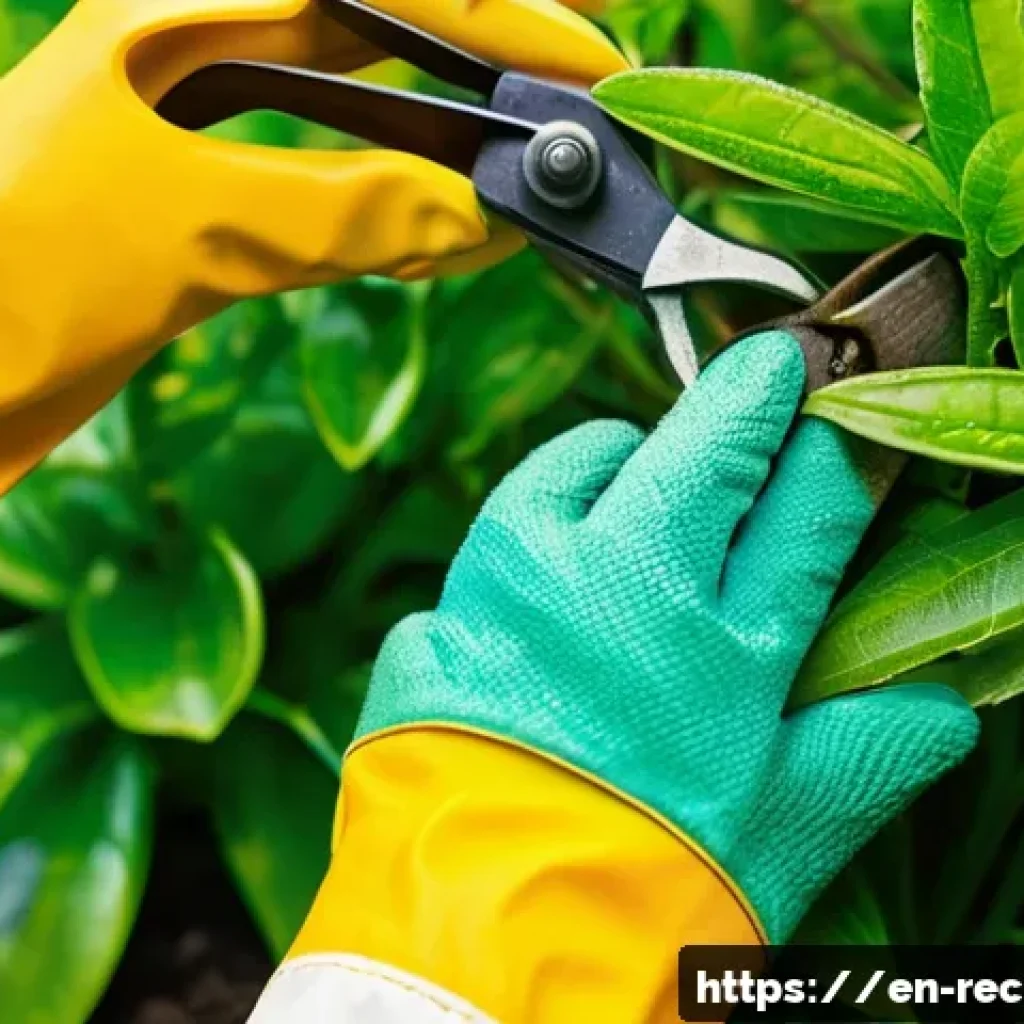
Used oil can be a surprising ally when it comes to maintaining your garden tools and outdoor gear. Instead of letting rust take over your shovels, shears, or lawnmower blades, a light application of filtered used oil forms a protective barrier against moisture and corrosion.
I once tried this on my old pruning shears, and the difference was remarkable—the tools not only resisted rust but also glided more smoothly during use.
Just be sure to apply the oil sparingly with a cloth and avoid contact with plants or soil directly. This simple trick can extend the life of your equipment significantly, saving you money on replacements.
DIY Lubricant for Home Repairs
If you’ve ever dealt with squeaky hinges, stuck locks, or stubborn screws, you know the frustration. Used oil serves as an excellent lubricant in these cases.
When I first used leftover motor oil on my door hinges, the squeaking vanished instantly, and the door swung effortlessly. It’s an easy, cost-effective alternative to commercial lubricants, especially when you’re in a pinch.
Just clean the area first to remove dirt and dust, then apply a few drops of oil. This method is particularly handy for metal-on-metal contact points around the house, but avoid using it on plastic parts to prevent damage.
Protecting Outdoor Wooden Furniture
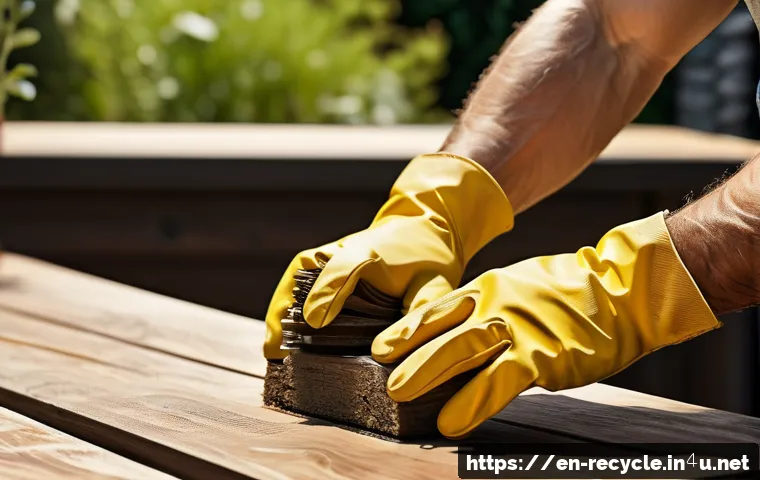
Outdoor wooden furniture often suffers from weather exposure, leading to cracking and fading. Surprisingly, used cooking oil can help nourish and protect these surfaces.
I experimented by rubbing some filtered used vegetable oil onto my patio chairs, and over a few weeks, the wood looked revitalized with a subtle sheen and felt less brittle.
The oil penetrates the wood fibers, offering a temporary seal against moisture. While it’s not a permanent fix like commercial wood sealants, it’s a great eco-friendly option for a quick refresh and to delay weathering effects.
Upcycling Used Oil for Household Maintenance
Homemade Fire Starters for Cozy Nights
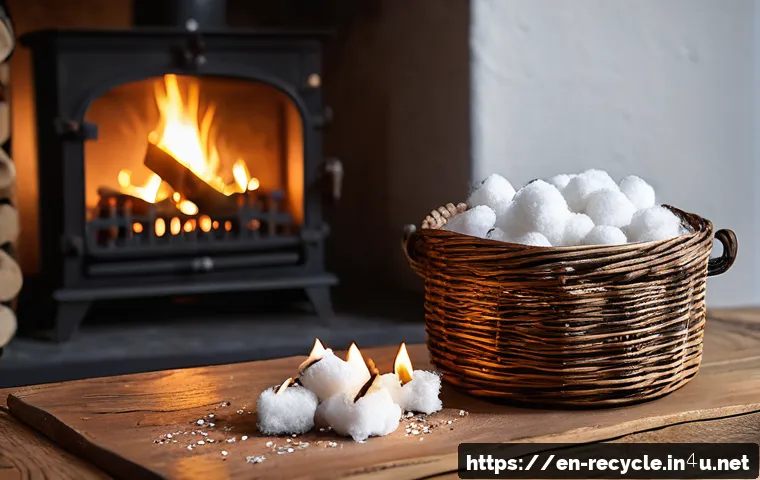
Used cooking oil can be repurposed into excellent fire starters, especially if you enjoy camping or cozy evenings by the fireplace. Soaking cotton balls or small pieces of newspaper in used oil and allowing them to dry creates long-lasting, easy-to-light fire starters.
I tried this for a recent camping trip, and these starters burned steadily, helping ignite the fire quickly even in damp conditions. This method is not only resourceful but also reduces waste by turning something typically discarded into a practical tool.
Preventing Squeaks in Wooden Floors
Wooden floors can develop annoying squeaks over time, especially in older homes. A small amount of used oil applied carefully between floorboards can reduce friction and silence these creaks.
While this isn’t a permanent fix for structural issues, it’s a quick and affordable way to improve comfort in your living space. I applied this trick in my hallway after noticing persistent squeaking, and it worked wonders for a few months, giving me some breathing room before more intensive repairs were needed.
Extending the Life of Garden Fences
Metal garden fences are prone to rust and wear from exposure to rain and sun. Applying a thin layer of used oil can create a temporary protective coating.
When I used this technique on my backyard fence, it slowed down the rusting process noticeably, especially during the rainy season. Of course, this is a stopgap measure, but for those who want to delay costly repainting or replacement, it’s a handy and budget-friendly solution.
Industrial and Automotive Hacks for Used Oil Reuse
Fuel for Oil Lamps and Lanterns
Used motor oil can be utilized as a fuel source for certain types of oil lamps or lanterns designed to burn heavier oils. This is a niche application but can be very useful in emergencies or off-grid situations.
I’ve read accounts from enthusiasts who convert old oil into lamp fuel by filtering it thoroughly to remove contaminants. Safety is paramount here; the oil must be clean, and lamps must be designed for this purpose to avoid toxic fumes or fire hazards.
Cleaning and Degreasing Heavy Machinery
In workshops or garages, used oil can serve as an effective degreaser and cleaner for heavily soiled parts. Its natural solvent properties help break down stubborn grime on metal surfaces.
When I helped a friend with restoring a vintage motorcycle, used oil was the go-to cleaning agent for the engine parts before a full rebuild. It’s important to note that this practice requires proper handling and disposal afterward to avoid environmental harm.
Rust Prevention for Stored Tools and Vehicles
For tools and vehicles in storage, coating metal parts with used oil can prevent rust formation. This is a common industrial practice that’s easily adapted at home.
I use this method on my seasonal tools, like snow blowers and chainsaws, to ensure they’re ready for use after months in the shed. Simply wipe a thin layer of oil over exposed metal surfaces before storing.
Innovative Energy Solutions Using Recycled Oil
Biofuel Production from Used Cooking Oil
One of the most impactful ways used cooking oil is repurposed is in the production of biodiesel—a renewable, cleaner-burning alternative to traditional diesel fuel.
While this process is industrial and requires specific equipment, small-scale biodiesel kits have become more accessible for hobbyists and environmentally conscious consumers.
I’ve followed several DIY biodiesel projects online and was amazed at how leftover kitchen oil can be transformed into usable fuel, cutting down fossil fuel consumption and greenhouse gas emissions.
Energy Recovery through Waste-to-Energy Plants
Used oil can also be collected and processed in waste-to-energy facilities where it’s burned to generate electricity or heat. This prevents improper disposal, which can contaminate soil and water, and instead turns waste into a valuable resource.
Communities with strong recycling programs often have designated collection points for used oil to support these initiatives. Participating in such programs can make a real difference in local sustainability efforts.
Home Heating Alternatives Using Recycled Oil
In some regions, filtered used oil can be adapted for use in specially designed heating systems or stoves. This requires professional modification and strict adherence to safety standards but offers a way to heat homes sustainably using waste materials.
I’ve encountered stories of eco-conscious households successfully implementing this method, reducing their reliance on conventional heating fuels and lowering energy bills.
Environmental and Safety Considerations When Handling Used Oil
Proper Filtration and Storage Practices
Before reusing any type of oil, it’s crucial to filter out food particles, dirt, or metal shavings to avoid clogging or damage in its new application.
I recommend using fine mesh strainers or coffee filters for cooking oil, and for motor oil, specialized filtration kits can help. Storing used oil in clean, sealed containers away from heat and direct sunlight prevents degradation and contamination.
I keep a dedicated container in my garage clearly labeled to avoid accidental misuse.
Disposal Guidelines and Legal Regulations
Improper disposal of used oil can cause severe environmental damage, including water pollution and soil contamination. Many local governments have strict regulations on how used oil should be handled and recycled.
I always check with my municipality’s hazardous waste collection programs to drop off used oil safely when I can’t reuse it myself. This responsible approach supports community health and sustainability goals.
Health Risks and Protective Measures
Used oil, especially motor oil, contains contaminants that can be harmful if ingested or if it contacts skin frequently. Wearing gloves and avoiding inhalation of fumes when handling used oil is essential.
I learned this the hard way after some prolonged exposure left my skin irritated. Always wash hands thoroughly after handling and keep oil away from children and pets to prevent accidental exposure.
Practical Summary of Used Oil Applications
| Application | Type of Oil | Benefits | Precautions |
|---|---|---|---|
| Garden Tool Maintenance | Used Motor Oil | Prevents rust, extends tool life | Apply sparingly, avoid soil contact |
| Fire Starters | Used Cooking Oil | Easy ignition, eco-friendly | Store safely, avoid open flames near oil |
| Wood Furniture Protection | Used Cooking Oil | Moisturizes and protects wood | Not a permanent sealant, test on small area |
| Lubricating Hinges and Locks | Used Motor Oil | Eliminates squeaks, smooth operation | Clean area first, avoid plastic parts |
| Biodiesel Production | Used Cooking Oil | Renewable fuel alternative | Requires equipment, proper processing |
| Rust Prevention for Storage | Used Motor Oil | Protects metal from corrosion | Apply thin layers, store properly |
Community and Economic Impact of Reusing Used Oil
Reducing Waste and Landfill Burden
By finding practical ways to reuse used oil, individuals and communities can significantly cut down the volume of hazardous waste entering landfills. When I started repurposing my used cooking oil and motor oil, I noticed how much less waste I was sending to disposal sites.
This not only helps the environment but also reduces the costs and resources needed for waste management in cities.
Supporting Local Recycling and Collection Programs
Many local governments and non-profits run used oil collection and recycling initiatives. Participating in these programs strengthens community recycling efforts and can sometimes provide small financial incentives.
I’ve taken part in a few local collection drives, and it’s rewarding to see how collective action can lead to substantial environmental benefits, including cleaner waterways and reduced pollution.
Economic Savings Through Resourcefulness
Reusing used oil at home or in small businesses can lead to noticeable savings. For example, cutting down on purchasing commercial lubricants, wood treatments, or fire starters adds up over time.
Personally, converting leftover cooking oil into fire starters and lubricants has saved me both money and trips to the store. This practical approach helps households manage budgets while contributing positively to sustainability goals.
Closing Thoughts
Repurposing used oil at home offers practical, eco-friendly solutions that benefit both your wallet and the environment. From maintaining tools to creating fire starters, these simple ideas transform waste into valuable resources. By adopting these methods, you contribute to sustainability while enjoying cost savings and enhanced household efficiency.
Useful Tips to Remember
1. Always filter used oil thoroughly before reuse to avoid clogging or damage.
2. Apply used oil sparingly, especially on garden tools or outdoor furniture, to prevent unwanted soil or plant contact.
3. Avoid using motor oil on plastic parts or surfaces to prevent deterioration.
4. Store used oil in clean, sealed containers away from heat and children’s reach.
5. Participate in local recycling programs when you cannot reuse oil yourself to ensure safe disposal.
Key Takeaways
Proper handling and filtration of used oil are essential to maximize its benefits and minimize risks. While repurposing used oil offers cost-effective and sustainable alternatives for home maintenance and energy solutions, safety precautions must be observed to protect health and the environment. Always follow local regulations for disposal and recycling to support community well-being and ecological preservation.
Frequently Asked Questions (FAQ) 📖
Q: Is it safe to reuse cooking oil multiple times for frying?
A: Reusing cooking oil can be safe if done carefully, but it’s important to know the limits. Each time you heat oil, its quality degrades, producing harmful compounds and off-flavors.
Generally, you can reuse oil 2-3 times for frying if you strain out food particles and store it properly in a cool, dark place. However, avoid reusing oil if it smells rancid, changes color dramatically, or smokes at lower temperatures than usual.
Using reused oil beyond a safe point can affect food taste and potentially your health, so always trust your senses and when in doubt, recycle it responsibly.
Q: What are some practical ways to recycle used motor oil at home?
A: Used motor oil should never be poured down drains or onto soil, but you can take simple steps to handle it responsibly. The best practice is to collect the oil in a sealed container and take it to a local recycling center or automotive shop that accepts used oil.
Many communities offer free drop-off points because this oil can be re-refined into lubricants or fuel. If you’re into DIY projects, used motor oil can sometimes be used to lubricate rusty tools or as a base for homemade wood preservatives, but this should be done with caution and local environmental regulations in mind.
Q: Can used cooking oil be repurposed for non-food uses?
A: Absolutely! Used cooking oil has several clever second lives beyond the kitchen. For example, it can be transformed into homemade soap, which is both eco-friendly and budget-friendly.
Some gardeners use diluted used oil to deter pests or as a natural wood sealant for outdoor furniture. Additionally, with the right equipment, cooking oil can be converted into biodiesel, a renewable energy source, though this is more complex and usually done on a larger scale.
Just remember, any repurposing should be done safely and consider environmental impact.