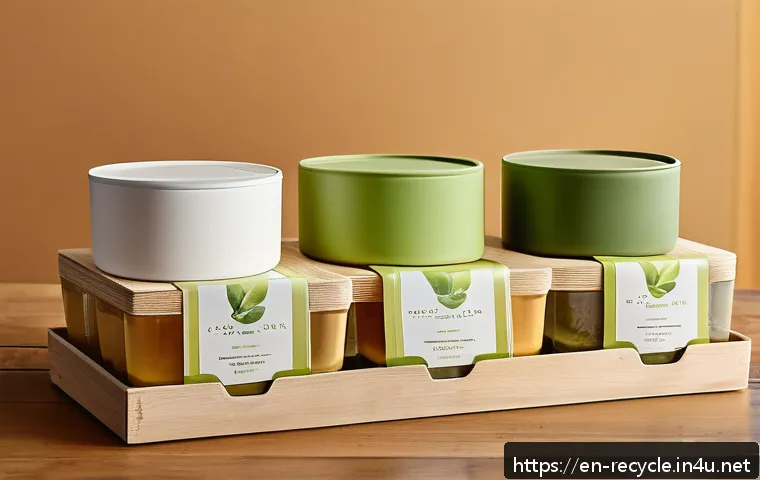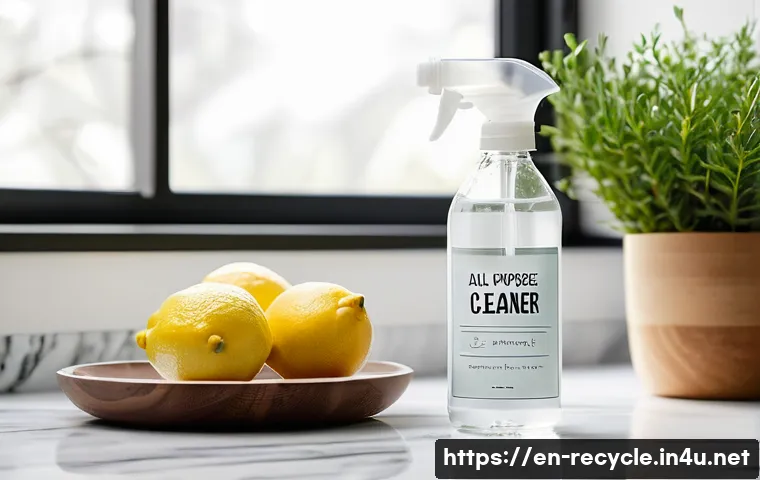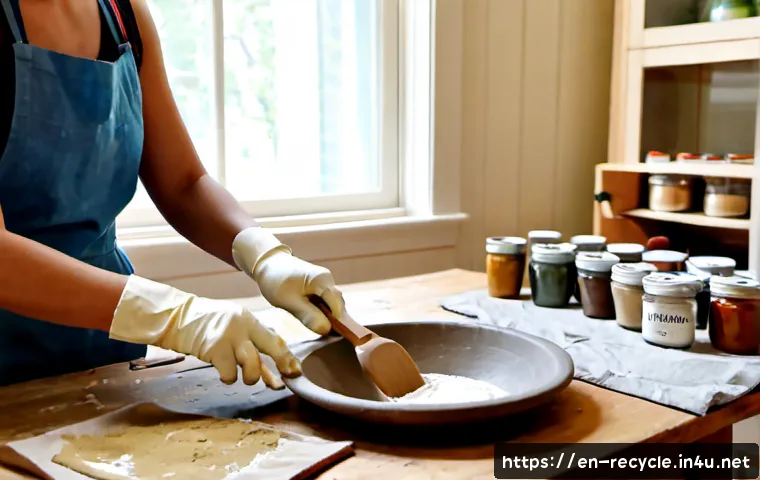
Homemade eco-friendly paint is most practical for small decorative projects, test boards, furniture accents, and low-wear walls. For kitchens, bathrooms, busy hallways, or any surface that needs dependable washability, a ready-mixed low-VOC interior paint is often the safer value.
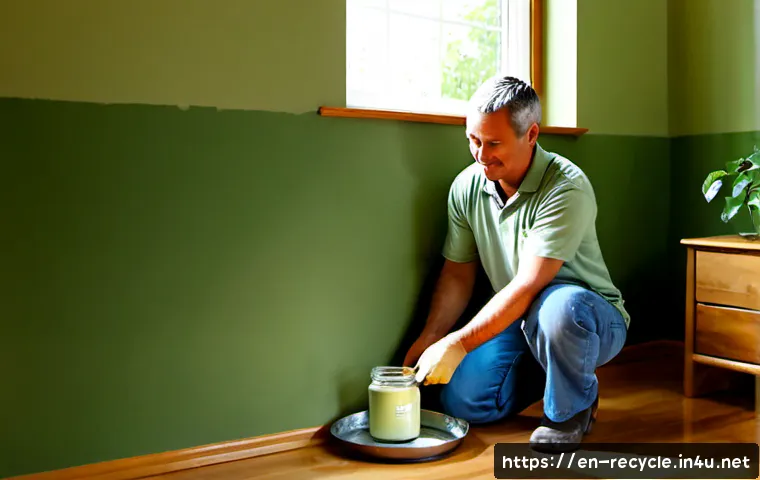
The best choice depends on surface condition, moisture exposure, maintenance expectations, and how much variation you can accept. Natural earth and mineral pigments can create soft, matte color, but compatibility and lightfastness are not identical across pigments.
Water-based products are generally easier to clean up than solvent-based options, yet water-based does not automatically mean zero-VOC or non-toxic. Before buying ingredients or paint, compare the label, technical data sheet, recommended surface, cleanup method, cure time, and ingredient disclosure.
At a Glance
- DIY natural finishes are best suited to small, decorative, low-wear projects where a matte, handmade appearance matters.
- Certified low-VOC or zero-VOC interior paint is usually the more predictable choice for coverage, cleanup, washability, and documented product details.
- Test first: surface preparation, moisture, primer compatibility, and pigment load can determine whether a finish performs well or fails early.
| Decision Factor | DIY Clay-, Milk-, or Lime-Style Finish | Ready-Mixed Low-VOC Interior Paint |
|---|---|---|
| Best use | Accent walls, test boards, craft projects, furniture accents, and low-wear surfaces | Rooms needing more predictable coverage and routine maintenance |
| Appearance | Muted, matte, mineral-like character with possible variation | More consistent finish options, depending on the product |
| Cleanup | Depends on the binder and finish system | Water-based products are generally easier to clean up than solvent-based paint |
| Durability expectation | Variable; depends heavily on surface, binder, moisture, and any compatible topcoat | Review the label and technical data sheet for recommended surfaces and care |
| Buying checks | Pigment compatibility, protective gear, primer, and test materials | VOC claim, ingredient disclosure, coverage, cleanup, cure time, and surface guidance |
The Quick Answer: Choose the Finish Before You Mix
When a homemade finish can be a practical option
A homemade eco-friendly paint finish can make sense when you want a soft matte look, subtle color variation, or a small creative project. Natural earth and mineral pigments are useful for muted decorative tones, especially on sample boards, furniture accents, and low-wear walls. The trade-off is uncertainty: without product-specific testing, the exact VOC level, washability, durability, and indoor-air impact of a homemade mixture are not known.
When ready-mixed low-VOC paint offers better value
Ready-mixed low-VOC interior paint is often the better purchase when your priority is reliable coverage, easier maintenance, and documented performance details. This does not mean every water-based paint is zero-VOC or non-toxic. VOC content, odor, durability, and ingredient disclosure can differ substantially between products, so compare the current label and technical data sheet rather than relying on the front-label claim alone.
Three safety essentials for any paint project
First, protect skin and eyes when handling pigments, powders, and especially lime-based materials. Lime finishes are alkaline and need careful handling during mixing and application. Second, test on a small area before committing to a full wall. Third, check the existing surface for dirt, loose paint, moisture exposure, and unknown previous coatings before applying any new finish.
Compare DIY Natural Paint Options With Commercial Low-VOC Paint
Clay-style, milk-style, and lime-based finishes: appearance and limitations
Clay-style, milk-style, and lime-based finishes can each create a distinctive matte appearance, but they should not be treated as interchangeable. Their binders, preparation needs, surface compatibility, and maintenance limits can differ. A lime-based finish deserves extra caution because of its alkalinity. With any natural pigment, confirm whether it is compatible with the chosen binder and whether its lightfastness suits the location.
Comparison table: durability, odor, cleanup, cost factors, and suitable rooms
| Option | Likely Strength | Main Limitation | Suitable Project Type |
|---|---|---|---|
| Clay-style finish | Matte decorative character | Performance depends on the full mixture and prepared surface | Accent areas and low-wear decorative surfaces |
| Milk-style finish | Handmade, muted appearance | Adhesion and durability need testing on the actual substrate | Small furniture accents and samples |
| Lime-based finish | Mineral-style finish | Alkaline material requiring careful protective handling | Projects where its surface requirements are understood |
| Low-VOC interior paint | Product documentation and more predictable selection criteria | Environmental claims still require label and data-sheet review | Most interior walls, especially where maintenance matters |
What “low-VOC” and “zero-VOC” claims do—and do not—tell you
These claims can help narrow your choices, but they do not answer every question about odor, ingredients, durability, or suitability for your wall. Look for VOC information, recommended surfaces, coverage guidance, cleanup instructions, cure time, and ingredient disclosure. If a product does not provide the details you need, compare another certified low-VOC or zero-VOC interior paint rather than making assumptions from packaging alone.
A Small-Batch Method for a Mineral-Pigment Decorative Finish
Tools, protective gear, and ingredient-selection checks
Keep the first experiment small. Gather a clean mixing container, a stirring tool, a strainer, a test board or inconspicuous test area, and appropriate skin and eye protection. Choose a binder and pigment intended to work together, then review any available handling information. If using lime-based material, treat protective equipment as essential rather than optional.
Mix, strain, test, and adjust color in small batches
Prepare only a small batch using the instructions associated with the selected binder or finish system. Add mineral pigment gradually and mix thoroughly to reduce streaking or clumps. Strain the mixture if needed for a smoother application. Do not overload the mixture with pigment simply to chase a deeper color; excessive pigment can affect the finish and make results less predictable.
Apply a test patch and evaluate it after drying
Apply the finish to a prepared test board or a hidden section of the actual wall. Let it dry, then inspect for uneven color, chalkiness, weak adhesion, or an unexpected surface feel. Also consider the room’s moisture exposure and the likely need for cleaning. A pleasing wet color is not enough; the dried result and its connection to the existing surface are what matter.
Avoid Common Problems: Peeling, Chalkiness, Uneven Color, and Moisture Damage
Why surface cleaning and primer compatibility matter
Paint performance starts before mixing. Dust, grease, loose coatings, damp areas, and incompatible prior finishes can interfere with adhesion. A primer may be appropriate for some surfaces, but primer compatibility should be checked with both the wall condition and the finish you plan to apply. Do not assume a DIY mixture will adhere safely to drywall, plaster, or an older painted surface without a test.
How to avoid overloading the mixture with pigment
Use color testing rather than adding large amounts of pigment at once. Natural pigments can vary in behavior, and deeper color does not automatically mean a stronger finish. Record the pigment and binder choices used on each test board so you can compare dried samples instead of relying on memory.
Where homemade finishes are not a good fit
Homemade paint is a less suitable choice for high-traffic walls, moisture-prone rooms, heavily cleaned surfaces, or large areas where a uniform result is important. Kitchens, bathrooms, and hallways usually place greater demands on a wall finish. In those spaces, a commercial interior paint with clear surface and care guidance may reduce project risk.

Choose by Room and Project Type
Accent walls, craft projects, and decorative furniture
These are practical places to explore a DIY natural paint finish. The scale is manageable, testing is easier, and small color variation can become part of the design. Start with a test board so you can evaluate the final matte appearance before working on the visible piece.
Kitchens, bathrooms, hallways, and children’s rooms
These rooms call for a more cautious selection process because they may involve moisture, touching, cleaning, or frequent use. Compare washability, recommended surfaces, cure time, and cleanup guidance before buying. A low-VOC or zero-VOC claim is useful, but it should be considered alongside the manufacturer’s current documentation.
Rental-friendly options and removable design considerations
Renters should confirm what the lease permits before painting. A test patch is especially important when the existing finish is unknown. If restoration is likely to be required later, consider whether a temporary decorative approach is more appropriate than applying an experimental finish across a large wall.
Selection Criteria and Comparison Summary
Choose DIY when finish character and experimentation matter most
Choose a DIY route when you enjoy process, want a mineral-pigment look, and can keep the project small enough to test carefully. It is better suited to decorative experimentation than to demanding wall performance.
Choose commercial paint when coverage, washability, and documentation matter most
Choose ready-mixed low-VOC interior paint when you need a clearer path to selecting primer, finish, cleanup method, and room suitability. Review the technical data sheet and label before purchase, particularly if you are comparing low-VOC and zero-VOC paint options.
Choose professional help for large areas, damaged walls, or demanding finishes
Professional help may be the sensible option when walls are damaged, moisture exposure is a concern, or the finish needs to look consistent across a large area. It can also be useful when you are unsure how an existing coating will react to a new finish.
Selection Criteria and Comparison Summary
Use these checks before making a final choice: room moisture level, expected cleaning, wall condition, finish appearance, available documentation, and willingness to test. DIY ingredients may fit a small decorative project, while certified low-VOC interior paint may better fit a frequently used room. Compare coverage, washability, and ingredient disclosure before buying. For commercial products, review the official product page, label, and technical data sheet for the current details.
In Closing
An eco-friendly wall finish is not defined by one word on a label or one homemade recipe. The strongest choice is the one that matches the room, the existing surface, and the maintenance you expect. Small-batch testing protects both your wall and your budget. When performance matters more than experimentation, documented low-VOC interior paint is often easier to evaluate.
Useful Information to Keep in Mind
Water-based does not automatically mean zero-VOC or non-toxic. Lime-based finishes are alkaline, so skin and eye protection matter. Natural pigments can vary in compatibility and lightfastness. Primer and topcoat compatibility can strongly affect the finished result.
Important Notes
The exact VOC level, durability, washability, cost, and indoor-air impact of a homemade paint mixture cannot be confirmed without product-specific testing. Pricing for pigments, binders, primers, tools, and commercial paint varies by retailer and project size. Check current product documentation and test the selected finish on the real surface before applying it broadly.
Frequently Asked Questions
Q1. Is homemade eco-friendly paint safe to use indoors?
A1. It may be suitable for a small decorative indoor project, but its exact VOC level, durability, washability, and indoor-air impact are unknown without testing. Use appropriate protective equipment, especially with alkaline lime-based materials, and test a small area first.
Q2. Is it cheaper to make natural paint or buy low-VOC interior paint?
A2. There is no universal answer because pigment, binder, primer, tools, retailer pricing, and project size all vary. Compare the total materials needed, not only the paint or pigment itself. For a larger project, ready-mixed paint may offer clearer coverage and maintenance information.
Q3. Which eco-friendly paint option is best for a bathroom or kitchen?
A3. Bathrooms and kitchens need extra consideration because of moisture and cleaning. A commercial low-VOC interior paint with clear recommended-surface, cleanup, cure-time, and maintenance guidance is generally easier to assess than an untested homemade mixture.