Recycled plastic can become durable furniture, decking, packaging, textiles, and construction materials. Learn which applications fit each setting, what affects value, and how to compare products responsibly.
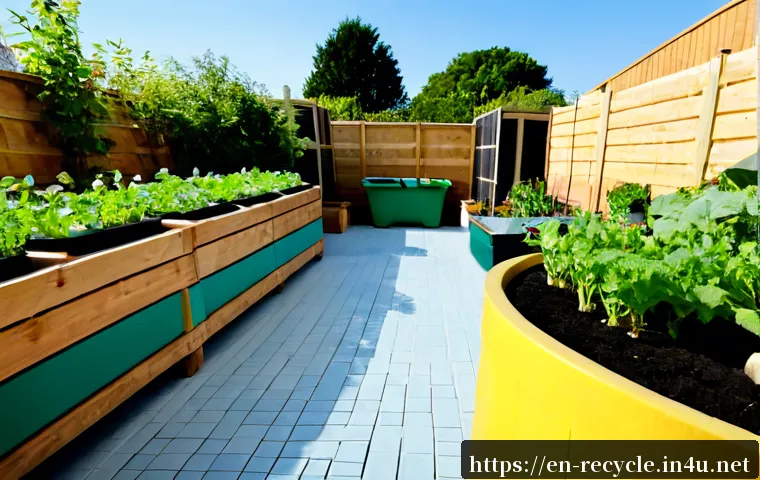
Recycled plastic is often most practical in durable products such as outdoor furniture, planter boxes, decking, storage, and lumber-style boards. It can also serve useful roles in textiles, bags, packaging, and commercial equipment when the material and design match the job. For buyers, the strongest reason to choose it is usually lower maintenance and weather resistance rather than an assumption that it will always be the cheapest option. Compare the product’s material specifications, intended setting, UV performance, load requirements, and warranty before paying more. A recycled-content claim is meaningful only when the supplier can explain what it refers to. Local recycling acceptance and end-of-life options should be checked separately.
At a Glance
- Long-life products such as benches, planters, deck boards, and outdoor storage can make practical use of recycled HDPE and mixed plastics.
- Recycled PET is widely used for polyester fibers in apparel, bags, and some home textiles.
- Choose based on exposure, load, maintenance, and supplier specifications, not on recycled-content wording alone.
| Material Option | Maintenance | Weather and Moisture Resistance | Price Consideration | Typical Uses |
|---|---|---|---|---|
| Recycled-plastic lumber | Often low-maintenance; check cleaning guidance | Useful for wet or exposed settings when designed for them | Compare product specifications, warranty, and replacement needs | Deck boards, edging, benches, planters |
| Wood | May require ongoing care depending on species and finish | Can be affected by moisture and weather exposure | Compare maintenance and replacement-cycle needs, not purchase price alone | Decking, furniture, landscaping, framing applications |
| Metal | Depends on coating, finish, and location | Check corrosion performance in moisture-prone areas | Compare finish quality, repair needs, and expected service conditions | Frames, fixtures, seating, commercial equipment |
| Virgin plastic | Varies by polymer and product design | Varies; UV exposure and additives matter | Do not assume it costs more or less in every market | Packaging, storage, molded goods, household items |
Where Recovered Plastic Delivers the Most Practical Value
Quick answer: durable goods usually create more value than short-lived replacements
Recovered plastic is especially useful when it becomes a product designed to stay in service for years rather than a short-lived replacement item. Outdoor benches, planters, deck boards, landscape edging, storage units, and lumber-style materials are common examples. These products can be a sensible choice for homes, schools, parks, and small businesses because they may reduce the need for frequent refinishing or replacement.
That does not mean every recycled-plastic product is automatically the best buy. Durability depends on the polymer, contamination levels, additives, manufacturing quality, product design, and exposure to sunlight. A thin storage item used under cover has different requirements from a heavy bench placed outdoors year-round.
How material type affects suitable end uses
Recycled plastic can be processed into pellets, flakes, fibers, sheets, and molded products. Common feedstocks include PET bottles, HDPE containers, PP packaging, and recovered industrial plastic scrap. Each material route supports different products.
- Recycled PET: commonly used in polyester fiber applications such as apparel, bags, and some home textiles.
- Recycled HDPE: often suited to durable molded goods and lumber-style products, including planters and outdoor furnishings.
- Mixed plastics: may be used in durable items where the manufacturer has designed and tested the product for that material blend.
- Recycled sheets and molded parts: can appear in storage products, retail fixtures, and packaging applications.
Do not assume a plastic that performs well in one category is suitable everywhere. Food-contact, medical, and high-performance uses may require additional controls.
Why lifespan and local recovery options matter
A good comparison looks beyond the recycled-content label. Consider how long the item is likely to remain useful, whether it can be cleaned or repaired, and what happens when it reaches the end of its service life. Transport, energy use, product lifespan, and disposal options all affect the broader environmental picture.
Also, recyclable does not mean recycled locally. Collection rules and accepted materials vary by local recycling and processing infrastructure. Check local guidance for a specific item instead of relying on a symbol or general claim.
From Bottles and Containers to Useful Everyday Products
Outdoor furniture, planters, and playground components
Outdoor furniture made from recycled plastic can be a practical option for patios, gardens, shared courtyards, and public seating areas. HDPE and mixed-plastic products are used for benches, chairs, tables, planters, and some playground components. The buying question is not simply whether the product contains recycled plastic; it is whether its design, UV resistance, drainage, and load limits fit the setting.
For exposed areas, inspect how water can drain away and whether the product includes clear care guidance. In public or shared spaces, confirm the manufacturer’s stated use category and any relevant installation details before ordering.
Deck boards, landscape edging, and lumber-style materials
Recycled-plastic lumber and boards are widely considered for decking, edging, raised beds, and outdoor structures. Their appeal often comes from moisture tolerance and lower routine maintenance compared with materials that need repeated finishing. Still, the board profile, fastening method, support requirements, temperature exposure, and intended load should be reviewed carefully.
For a decking or landscaping project, compare a full system rather than one board in isolation. Ask whether the supplier provides specifications for installation, spacing, drainage, and the product’s intended application. A lumber-style board should not be treated as a substitute for every structural material unless the supplier specifically states that use.
Textile fibers, bags, storage products, and packaging
Recycled PET has a well-established role in polyester fiber applications. This can include apparel, bags, and some home textiles. Recycled plastic also appears in storage containers, molded household products, and packaging, although the appropriate material depends on the product’s performance requirements.
For everyday purchases, focus on useful details: Is the bag likely to face heavy abrasion? Will the storage product sit in direct sun? Is the package intended for a use that requires special controls? A recycled material claim can be one factor in the decision, but it should not replace product-specific information.
Commercial uses in retail fixtures, pallets, and waste-management equipment
Businesses may find recycled-plastic products useful in back-of-house and outdoor operations. Potential applications include retail fixtures, pallets, waste-management equipment, outdoor seating, and durable storage. These categories can benefit from a material that is designed for repeated handling, moisture exposure, or routine cleaning.
Commercial buyers should request material specifications, dimensions, load guidance, cleaning instructions, and warranty terms. For recurring procurement, it also helps to ask about consistency between production batches and replacement availability for matching units.
Compare Materials Before Paying More
Recycled plastic vs. wood for outdoor settings
Wood can offer a familiar appearance and may fit many outdoor designs. Recycled-plastic outdoor furniture or lumber-style products may appeal where moisture, repeated cleaning, or lower maintenance is a priority. The better option depends on the project, appearance goals, required strength, exposure level, and willingness to maintain the material over time.
Do not rely on a single price comparison. Review the likely maintenance tasks, replacement risk, and whether the product is meant for a sheltered patio, a wet garden edge, or a fully exposed deck.
Recycled plastic vs. metal for moisture-prone locations
Metal can be a strong choice for frames, fixtures, and commercial equipment, but its performance in moisture-prone locations depends on finish and corrosion resistance. Recycled plastic can be worth considering where moisture exposure is frequent and a product is designed for outdoor use. It may not be the right answer where a specific load-bearing or temperature-performance requirement controls the decision.
Compare the full product construction. A bench, for example, may use more than one material, and the weak point may be hardware, joints, or installation rather than the visible surface.
Upfront cost, maintenance, warranty, and replacement-cycle comparison
There is no reliable rule that recycled plastic will cost less than virgin plastic, wood, or metal in every market. Instead, compare upfront price, expected service conditions, maintenance needs, warranty coverage, and replacement-cycle risk. A lower purchase price can be less useful if the product is not suited to the environment where it will be used.
Warranty language deserves close attention. Check what the warranty covers, which conditions may limit coverage, and whether normal sun, moisture, commercial use, or installation methods affect the terms.
When bulk purchasing or supplier quotes make sense
Bulk purchasing can make sense for schools, property managers, landscapers, hospitality spaces, retailers, and small businesses buying multiple units. Requesting supplier quotes is especially useful when products must match in color, size, material type, or intended use. It also gives buyers a chance to compare shipping arrangements, lead times, warranty terms, and product specifications without making assumptions.
Before placing a larger order, review a sample or detailed specification sheet when available. Confirm whether the listed item is appropriate for the expected load, climate exposure, cleaning routine, and installation plan.
Quality Checks and Common Buying Mistakes
Verify recycled-content claims without relying on vague marketing

Terms such as “eco-friendly,” “green,” or “recyclable” do not necessarily confirm that a product contains recycled plastic. Look for a clear statement about recycled content, material type, and the part of the product covered by the claim. If the information is unclear, ask the supplier for a product specification or written clarification.
It is also important not to assume that an entire product has the same recycled-content level simply because one component does. Exact percentages and certifications should be checked for the individual product.
Check UV resistance, load limits, drainage, and temperature exposure
Outdoor products should be selected for their actual conditions. Direct sun can affect plastic over time, and UV exposure is one factor in durability. Check whether the manufacturer provides guidance on UV resistance, weight limits, drainage, cleaning, and temperature exposure.
For benches, shelving, raised beds, decking, or commercial equipment, treat stated load limits as a key buying criterion. Avoid using a product for structural or high-load work unless its documentation specifically supports that use.
Avoid assuming every recycled-plastic item is locally recyclable
A product can contain recycled material and still be difficult to recycle again in a particular area. Local programs differ in what they collect and process, especially for mixed materials, large molded products, textiles, and products with metal hardware. Check with your local program or waste provider before planning end-of-life handling.
Consider cleaning, repair, and end-of-life handling
Ask practical questions before buying: Can the item be cleaned with ordinary methods? Are hardware and components replaceable? Can the product be repaired after minor damage? Is there information about disposal or recovery? These details can matter as much as the initial recycled-content claim.
Choosing the Right Option by Setting
Home gardens, patios, and storage areas
For a home garden or patio, recycled-plastic planters, outdoor furniture, edging, and storage can be practical where rain, soil, and routine cleaning are expected. Choose items that fit the available space and intended weight. For a planter, drainage matters; for seating, comfort and load guidance matter; for storage, check the closure design and exposure limits.
Schools, parks, and shared public spaces
Shared settings benefit from durable products with clear use guidance. Benches, tables, waste-management equipment, and playground-related components should be selected with user volume, installation, cleaning needs, and outdoor exposure in mind. Procurement teams should compare product specifications and warranty conditions rather than choosing based on appearance alone.
Small businesses needing durable outdoor or back-of-house equipment
Restaurants, shops, service businesses, and property operators may consider recycled-plastic furnishings, storage, fixtures, or waste equipment for practical reasons. Focus on daily handling, cleaning frequency, moisture exposure, and whether the product will be used by customers or staff. For commercial procurement, documented material and load information is more useful than a broad sustainability claim.
Construction and landscaping projects with long service-life goals
For landscaping and construction-related projects, recycled-plastic boards and lumber-style products may be worth evaluating when the goal is a long service life in an exposed or moisture-prone location. Confirm that the product is intended for the specific application. Installation requirements, drainage, fastening, load needs, and temperature exposure should all be reviewed before purchase.
Selection Criteria and Comparison Summary
Best choices for low-maintenance outdoor durability
For low-maintenance outdoor use, start with products specifically designed for weather exposure: benches, planters, outdoor storage, deck boards, landscape edging, and lumber-style materials. Recycled HDPE and mixed-plastic products can be relevant options, but the product’s construction and stated use remain essential.
Best choices for appearance, load-bearing needs, and budget control
If appearance is the top priority, compare finish, color consistency, texture, and how the product fits the surrounding materials. If load-bearing performance is central, rely on documented load guidance and intended-use specifications. If budget control is the priority, compare the complete ownership picture: purchase price, maintenance requirements, warranty terms, expected exposure, and potential replacement needs.
Final checklist for comparing product specifications and supplier terms
Before choosing a recycled-plastic product, check these points:
- Material: Is the polymer or material category identified?
- Recycled-content claim: Is the claim specific rather than vague?
- Use setting: Is it intended for indoor, outdoor, residential, or commercial use?
- Performance: Are UV exposure, drainage, temperature, and load considerations addressed?
- Terms: Are warranty conditions, cleaning guidance, and installation requirements clear?
- Procurement: For multiple units, can you compare supplier quotes, material specifications, and bulk purchase options?
For a purchase-ready comparison, review the official product page for material details, warranty conditions, and bulk-order terms before placing an order.
In Closing
Recycled plastic has useful second-life applications far beyond basic packaging. It can become fiber, storage products, outdoor furniture, planters, decking, landscaping materials, and commercial equipment. The strongest choice is usually the one that fits the setting and is designed to last there. Look past broad environmental wording and compare the product’s actual material, use limits, maintenance needs, and supplier terms.
Useful Information
1. PET is commonly used in recycled polyester fiber applications, including apparel, bags, and some home textiles.
2. HDPE and mixed plastics can be used in durable goods such as benches, planters, lumber-style boards, and outdoor furnishings.
3. Recycling systems do not accept the same materials everywhere.
4. A recyclable product is not necessarily made from recycled content.
5. A recycled-content product is not necessarily recyclable through your local program.
Important Notes
Exact recycled-content percentages, certifications, warranties, pricing, and end-of-life recyclability vary by product and supplier. Environmental comparisons also depend on transport, energy use, lifespan, and disposal options. Check the manufacturer’s current specifications and your local recovery rules before making a final purchase or disposal decision.
Frequently Asked Questions
Q1. Is recycled plastic durable enough for outdoor furniture and decking?
A1. It can be durable enough when the product is designed for outdoor exposure and the material, additives, design, and manufacturing quality fit that use. Check UV guidance, drainage, load limits, installation requirements, and warranty terms for the specific furniture or decking product.
Q2. Does recycled-plastic lumber cost more than wood, and is it worth it?
A2. Cost varies by market, product design, supplier, and project requirements, so there is no universal answer. Compare the upfront price with maintenance needs, moisture exposure, warranty conditions, installation requirements, and replacement-cycle risk. For exposed landscaping or outdoor projects, those factors may matter more than the initial price alone.
Q3. How can buyers check whether a product truly contains recycled plastic?
A3. Look for a specific statement identifying recycled content and the material involved, then review the product specification or ask the supplier for clarification. Avoid relying only on broad phrases such as “eco-friendly” or “recyclable.” For larger purchases, compare supplier documentation, warranty terms, material specifications, and bulk purchase conditions.