The luxury resale market is booming like never before, driven by savvy shoppers seeking high-end fashion at more accessible prices. These platforms offer a win-win: authentic designer pieces find new homes while buyers enjoy sustainable, stylish options without the hefty price tag.
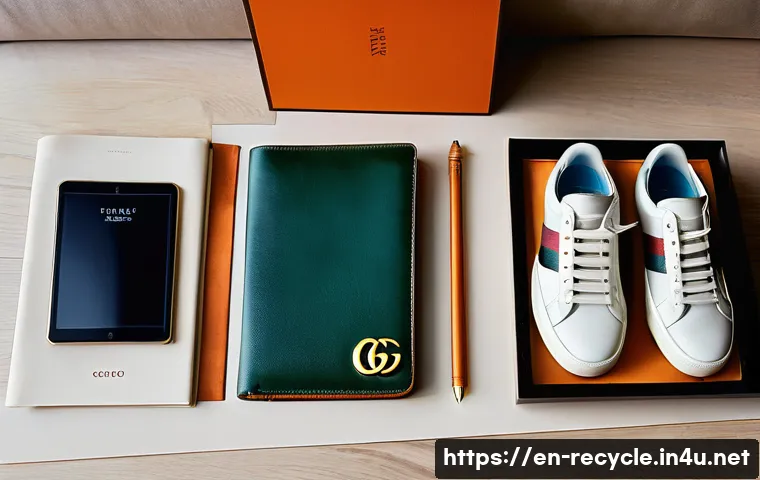
Beyond just affordability, the thrill of hunting for rare, vintage gems adds an exciting layer to the shopping experience. Plus, with growing awareness around sustainability, reselling luxury goods has become a smart choice for eco-conscious consumers.
Whether you’re a collector or a first-timer, understanding how these platforms work can unlock incredible value and peace of mind. Let’s dive deeper and explore the ins and outs of luxury resale in the following sections!
Understanding Authentication and Quality Assurance in Luxury Resale
How Authentication Processes Safeguard Buyers
When diving into luxury resale, one of the biggest concerns is authenticity. From my own experience, platforms that invest heavily in expert authentication create a sense of trust that’s hard to beat.
These services often include multi-step verification where specialists examine stitching, hardware, serial numbers, and even the scent of leather. Some sites even use AI-powered image recognition to spot inconsistencies.
What’s impressive is how thorough these processes are — it’s not just a quick glance but a detailed forensic-like approach. This meticulous verification is crucial because it protects buyers from counterfeit items and preserves the integrity of the luxury market.
Quality Checks Beyond Authentication
Authenticity alone doesn’t guarantee a great purchase. Quality checks come next, assessing the condition of each piece. I’ve noticed that the best platforms grade items on a scale, detailing wear and tear, discoloration, or repairs.
This transparency helps shoppers know exactly what to expect, reducing disappointment. For instance, a bag with slight scuff marks might be labeled as “good” condition, while a pristine, unused piece gets “excellent.” These descriptions often come with high-resolution photos showing every angle, which I find invaluable when you can’t see the product in person.
It’s like having a trusted friend describe the item before you buy.
Returns and Buyer Protection Policies
No matter how detailed the authentication and quality checks are, sometimes things don’t go as planned. That’s why strong return policies and buyer protection programs are a must.
From what I’ve seen, platforms offering free returns within a certain window and full refunds if authenticity is questioned tend to attract more confident buyers.
Some even provide insurance during shipping to cover loss or damage. This kind of reassurance can make or break the shopping experience, especially for high-ticket items where hesitation is natural.
Personally, knowing I could return something hassle-free gave me the courage to explore more unique pieces.
Exploring Pricing Strategies and Market Dynamics
How Resale Prices Compare to Retail
Luxury resale prices often strike a balance between affordability and exclusivity. When I shop, I notice that items typically range from 30% to 70% off retail prices, depending on demand and rarity.
Classic pieces from brands like Chanel or Hermès tend to hold value better, sometimes even appreciating, especially limited editions or vintage finds.
On the other hand, seasonal items or less iconic brands might see steeper discounts. It’s fascinating how the market mimics traditional supply and demand but with a twist — the scarcity of pre-owned goods actually drives some prices up rather than down.
Factors Influencing Resale Value
Several key elements impact how much a luxury item sells for in the resale market. Condition is obviously a big one, but brand reputation, model popularity, and even cultural trends play huge roles.
For example, a Gucci bag might spike in value if a celebrity is spotted carrying it. I’ve also noticed that the time of year matters — demand tends to rise before holidays or fashion weeks.
Plus, authenticity guarantees and provenance can push prices higher. Some sellers cleverly time their listings during peak interest periods, which is a smart move I’ve tried myself.
Comparing Different Platform Fees and Seller Incentives
Each resale platform has its own fee structure affecting final prices. Sellers often pay commissions ranging from 10% to 30%, depending on the service level.
Some sites offer premium services like white-glove consignment, where they handle shipping and authentication, in exchange for higher fees. Buyers might see these fees reflected in prices, but the convenience often justifies the cost.
Sellers motivated by quick sales might price aggressively, while collectors looking for rare finds often hold out for top dollar. It’s a delicate balance, and understanding these economics can help both buyers and sellers get better deals.
| Platform | Seller Fees | Authentication Method | Return Policy | Shipping Coverage |
|---|---|---|---|---|
| Platform A | 15% | Expert Review + AI Verification | 14-day free return | Insured shipping included |
| Platform B | 20% | In-house Experts Only | No returns except authenticity issues | Buyer covers shipping |
| Platform C | 12% | Third-party Authentication Partners | 7-day return window | Insured shipping optional |
Spotting and Securing Rare Finds
Tips for Hunting Vintage and Limited Editions
Finding that one-of-a-kind vintage piece feels like a treasure hunt, and I love the adrenaline rush it brings. Timing and persistence are key. I usually set alerts for specific models or brands and visit platforms regularly, sometimes daily.
Knowing the brand’s history helps too — recognizing signature details or production years can make all the difference. Also, networking with sellers and collectors on social media has opened doors to private sales and early notifications about rare drops.
Patience pays off, especially when you’re after a vintage Hermès or a discontinued sneaker.
Using Filters and Search Tools Effectively
Most luxury resale platforms offer advanced filters to narrow down your search, and mastering these can save tons of time. I always filter by condition, price range, and seller rating first.
Some sites even let you filter by specific attributes like hardware color or size, which is a lifesaver when you want something very particular. Combining filters with keyword searches (e.g., “vintage 90s Gucci”) helps unearth hidden gems.
My advice is to experiment with different combinations and save your favorite searches for quick access later.
Negotiation and Making Offers
One surprising aspect I’ve learned is that many sellers are open to offers, especially if an item has been listed for a while. Some platforms have built-in offer features, making negotiations simple and transparent.
When making an offer, it’s smart to consider the item’s condition, demand, and platform fees. I usually start with a reasonable discount — not too low to offend but enough to leave room for negotiation.
Polite communication often results in better deals. Remember, sellers want to move inventory, so a friendly offer can be mutually beneficial.
Environmental Impact and Ethical Considerations
How Resale Contributes to Sustainability
Buying pre-owned luxury isn’t just about saving money — it’s a conscious choice to reduce waste. I’ve come to appreciate how extending the life of designer goods lessens the demand for new production, which often involves resource-heavy processes and significant carbon footprints.

According to industry insights, the fashion sector contributes heavily to pollution, so resale acts as a buffer against that. Personally, knowing that my purchases support a circular economy makes shopping feel more meaningful and responsible.
Supporting Fair Labor Practices Through Resale
Another ethical angle is the indirect support resale provides against exploitative labor. When you buy secondhand, you reduce pressure on fast fashion and mass production chains often linked to poor working conditions.
While resale itself doesn’t solve all industry problems, it shifts consumer behavior toward valuing quality over quantity. I find that community forums and blogs frequently discuss how conscious shoppers can influence brands to adopt fairer practices, which adds an empowering dimension to luxury resale shopping.
Choosing Platforms with Transparent Policies
Not all resale platforms are created equal when it comes to ethics. Some openly share their sustainability goals, partnerships with charitable organizations, or eco-friendly packaging initiatives.
When I shop, I look for these signs as part of my decision-making process. Transparency about sourcing, labor, and environmental impact reflects a platform’s integrity and commitment beyond profit.
Supporting these companies feels like voting with your wallet for a better future.
Maximizing Your Experience: Tips for First-Time Buyers
Setting a Budget and Prioritizing Needs
Jumping into luxury resale can be overwhelming, so setting a clear budget helps keep things realistic. I learned early on to list priorities — whether it’s a specific brand, style, or condition — to avoid impulse buys.
This focus prevents decision fatigue and ensures you get the best value for your money. Keeping an eye on seasonal sales or special platform events also helps stretch your budget further.
Planning ahead makes the experience much more enjoyable.
Reading Reviews and Seller Feedback
One crucial habit I developed is thoroughly checking seller ratings and buyer reviews. These insights reveal a seller’s reliability, communication skills, and product accuracy.
Some platforms even have verified seller badges, which I trust more. When in doubt, I ask sellers questions about the item’s history or condition before purchasing.
This two-way communication often uncovers details not listed in descriptions and builds confidence in your purchase.
Understanding Shipping and Customs Policies
Depending on your location, shipping luxury items internationally can come with surprises like customs duties and longer delivery times. I always factor these potential costs and delays into my purchase decisions.
Some platforms offer expedited shipping or handle customs clearance, which simplifies the process but may increase fees. Knowing the fine print upfront saves frustration and helps you plan accordingly, especially for gift giving or time-sensitive purchases.
Building a Personal Collection with Resale Gems
Curating Pieces That Reflect Your Style
Luxury resale offers the unique chance to build a collection that’s truly yours, blending classic staples with quirky vintage finds. I’ve enjoyed mixing timeless Chanel jackets with unexpected 80s accessories, creating a look that feels authentic and distinctive.
Shopping resale encourages creativity because you’re not limited to current season trends — you can explore decades of design evolution and discover your signature style.
Maintaining and Protecting Your Investments
Once you’ve secured those coveted pieces, proper care is essential. I’ve found that routine cleaning, safe storage, and timely repairs keep items looking fresh and maintain their value.
Some platforms provide care guides or even partner with restoration experts, which is a great resource. Investing in dust bags, humidity-controlled storage, and professional conditioning pays off, especially if you plan to resell later or pass items down.
Leveraging Resale for Smart Financial Decisions
Luxury resale can also be a savvy financial move. I’ve seen firsthand how certain items appreciate over time, making them not just fashion statements but potential assets.
Tracking market trends and buying limited editions can yield impressive returns. Additionally, selling pieces when demand peaks helps fund new acquisitions, creating a sustainable cycle.
This approach turns your wardrobe into a dynamic investment portfolio rather than just a closet full of clothes.
글을 마치며
Luxury resale offers a unique blend of excitement, sustainability, and smart investment opportunities. By understanding authentication, pricing, and market dynamics, buyers can confidently explore this vibrant market. Whether you’re hunting for rare finds or building a personal collection, the resale world provides endless possibilities. Embracing these insights ensures a rewarding and trustworthy shopping experience.
알아두면 쓸모 있는 정보
1. Always verify the platform’s authentication process—multi-layered checks increase confidence in your purchase.
2. Pay close attention to quality grades and detailed photos to set realistic expectations about item condition.
3. Familiarize yourself with return policies and shipping coverage to avoid surprises after purchase.
4. Use advanced search filters and set alerts for specific brands or models to spot rare and limited-edition pieces.
5. Consider seller feedback and communication history to ensure smooth transactions and trustworthy interactions.
중요 사항 정리
Authenticity and quality assurance are foundational to a positive luxury resale experience, protecting buyers from counterfeits and ensuring transparency. Pricing varies widely based on brand, condition, and market trends, so understanding platform fees and timing your purchases can maximize value. Ethical considerations, such as sustainability and fair labor support, add meaningful depth to resale shopping. Lastly, setting clear budgets, researching sellers, and knowing shipping policies help first-time buyers navigate confidently and build lasting collections.
Frequently Asked Questions (FAQ) 📖
Q: How can I be sure that the luxury items I buy from resale platforms are authentic?
A: That’s a great question and one I’ve personally wrestled with when diving into luxury resale. Most reputable platforms have rigorous authentication processes—this often includes expert reviews, serial number checks, and sometimes even partnering with third-party authenticators.
When I bought a designer bag recently, the platform provided a detailed authenticity report along with high-res photos, which gave me confidence. Always look for platforms that offer guarantees or return policies specifically tied to authenticity.
If a deal seems too good to be true, it’s worth digging deeper or asking for more proof before committing.
Q: Is buying luxury resale really more sustainable than buying new?
A: Absolutely. From my experience and what I’ve learned, luxury resale extends the life cycle of high-quality items, which means fewer resources are used compared to manufacturing new products.
These pieces often come from individuals who no longer want them, so reselling prevents them from ending up in landfills. Plus, many buyers feel great knowing their purchase reduces demand for new production, which typically involves more carbon emissions and waste.
It’s a win-win: you get a stylish, often unique item and contribute to a more eco-friendly fashion ecosystem.
Q: What should first-timers keep in mind when shopping on luxury resale platforms?
A: Jumping into luxury resale can feel overwhelming at first, but here are a few tips I found really helpful. Start by familiarizing yourself with the brand’s signature details—things like stitching, logos, and hardware can reveal a lot about authenticity.
Set a budget and be patient; the thrill is often in hunting for that perfect piece rather than rushing. Also, pay attention to the platform’s policies on returns and authenticity guarantees.
Lastly, don’t hesitate to ask questions or request extra photos—most sellers and platforms are happy to help. This approach helped me avoid common pitfalls and made the experience enjoyable and rewarding.