Hey everyone! You know how I’m always on the lookout for topics that truly make a difference, not just for our planet, but also for our communities and even our wallets?
Well, today, I’m super excited to dive into something that might sound a little… industrial, but trust me, it’s absolutely fascinating: the current state of the scrap metal recycling market.
It’s easy to think of scrap metal as just piles of discarded junk, but I’ve learned that this industry is anything but dull! It’s a vibrant, ever-changing landscape that’s absolutely vital for a sustainable future.
From the incredible technological leaps making sorting more efficient than ever, to its critical role in reducing carbon emissions and conserving precious natural resources, this market is experiencing some serious transformations.
We’re talking about massive global trends, shifting economic landscapes, and innovative solutions emerging almost daily. If you’ve ever wondered about the hidden value in that old appliance or the profound impact our recycling habits have, then you’re in the right place!
Get ready to discover why this often-overlooked sector is actually a powerhouse of green innovation and opportunity. Let’s unpack all the exciting details and get a solid grasp on what’s happening right now in the world of scrap metal.
We’re going to dive deep into the trends, challenges, and future predictions that are shaping this essential market, and trust me, it’s more impactful than you might think.
Let’s get into the nitty-gritty and understand exactly how this vital industry works, shall we? You won’t want to miss what we’ve uncovered!
The Green Gold Rush: Why Scrap Metal is Hotter Than Ever
You know, for years, when I thought about recycling, my mind immediately jumped to plastic bottles and cardboard. But lately, diving deep into this world, what’s really struck me is how utterly vital and dynamic the scrap metal market has become. It’s far more than just discarded metal; it’s truly the backbone of a sustainable future, and honestly, it feels like we’re in the middle of a modern-day green gold rush! The sheer demand for recycled metals, driven by dwindling virgin resources and a global push for eco-friendlier manufacturing, is just skyrocketing. I’ve seen reports showing how countries are increasingly relying on secondary raw materials, turning what was once considered waste into a highly sought-after commodity. This isn’t just a niche industry anymore; it’s a massive global player, shaping economies and influencing international relations in ways most people never imagine. The energy savings alone from using recycled aluminum or steel are staggering, making it an irresistible option for industries looking to cut costs and their carbon footprint. It’s truly a win-win situation, and the momentum feels unstoppable.
Shifting Sands: Economic Drivers and Demand Surges
It’s fascinating to observe how quickly economic tides can turn, isn’t it? What I’ve really noticed over the past few years is a significant shift in the economic drivers propelling the scrap metal market. It’s no longer just about commodity prices fluctuating; we’re seeing deep-seated systemic changes. The rise of industrialization in emerging economies, coupled with an insatiable appetite for new infrastructure and consumer goods, means the demand for metals – both virgin and recycled – is consistently high. But here’s the kicker: geopolitical tensions and supply chain disruptions have made sourcing new materials incredibly volatile. This instability has inadvertently shone a massive spotlight on recycled metals as a reliable, domestic source. Businesses are no longer just *considering* recycling; they’re *prioritizing* it as a strategic imperative to ensure stability and continuity. I personally feel this shift is huge, indicating a long-term commitment rather than just a fleeting trend. This isn’t just good for the planet; it’s a smart business move that’s here to stay, creating robust demand surges across the board.
The Circular Economy’s MVP: Beyond Just Recycling
When we talk about the circular economy, sometimes it sounds a bit abstract, right? But the scrap metal industry, in my experience, is its most valuable player, its MVP! It’s not just about taking something old and making it new; it’s about fundamentally rethinking how we consume and produce. Imagine an old car being dismantled, its steel going back into another car, its aluminum into beverage cans, and its copper into electrical wiring – effectively never becoming waste. That’s the circular economy in action, powered by scrap metal. I’ve chatted with so many folks in this sector who are genuinely passionate about closing the loop. They see every piece of discarded metal not as junk, but as a resource temporarily out of place. This mindset is critical, especially when we consider the massive environmental pressure our planet is under. By keeping these materials in circulation, we drastically reduce mining, processing, and transportation impacts. For me, witnessing this transformation firsthand really brings home the idea that recycling isn’t just an activity; it’s a profound economic and environmental philosophy that the scrap metal market embodies perfectly.
Navigating the Global Maze: Supply Chains and Market Dynamics
Trying to understand the global scrap metal market can sometimes feel like trying to solve a really complex puzzle, with pieces constantly shifting. From what I’ve gathered through countless conversations and a lot of research, it’s a deeply interconnected web. One minute, prices are soaring due to robust industrial activity in Asia, and the next, a new trade tariff could send ripples of uncertainty across the Atlantic. It’s incredibly sensitive to global events, much more so than I initially thought. Shipping routes, labor costs, energy prices – every single factor plays a critical role in determining not just the price of scrap, but also its availability and the speed at which it moves from generation to end-use. I’ve heard stories from small-town scrap yard owners who wake up to news that affects their local business because of something happening halfway across the world. It really highlights how globalized our economies have become and how essential robust, resilient supply chains are in every sector, even one as seemingly straightforward as collecting metal. It’s definitely not a simple “buy low, sell high” game; there’s a lot of strategic maneuvering involved.
Geopolitical Ripples: How World Events Shape the Market
It’s almost unbelievable how much world events, especially geopolitical ones, can directly hit our recycling bins! I’ve been closely tracking how global trade policies, international disputes, and even regional conflicts can cause immediate and significant impacts on the scrap metal market. For example, a new import restriction in a major consumer country can leave exporters scrambling for alternative buyers, leading to price drops or surpluses elsewhere. Conversely, a sudden boom in manufacturing in another region can create an urgent demand, driving prices up globally. I remember reading about a situation where a major shipping lane closure caused a bottleneck for weeks, delaying shipments and impacting manufacturing schedules across continents. This domino effect is what makes this market so fascinatingly volatile and, frankly, a bit unpredictable. It’s a constant reminder that what happens on the world stage doesn’t just stay there; it filters down to industries like scrap metal, influencing everything from the biggest global corporations to the local collectors on our streets. It’s a truly global dance of supply and demand, with international politics often leading the rhythm.
Pricing Power: Understanding What Influences Metal Values
Have you ever wondered what makes the price of that old washing machine change from one week to the next at the scrap yard? It’s far more intricate than just looking at a commodities chart! From my perspective, gathered from talking to industry experts, pricing power in the scrap metal market is a delicate balance influenced by a multitude of factors. Of course, global demand from steel mills and foundries is a huge one. If they’re producing more, they need more scrap. But it’s also about the cost of virgin ore; if mining new iron or copper becomes more expensive, recycled alternatives become more attractive, pushing up their value. Then there’s transportation, energy costs for processing, and even local supply and demand dynamics. A major construction project in your town might temporarily increase the demand for certain types of scrap, affecting local prices. Environmental regulations also play a part, as stricter rules can add costs to processing, which might then be reflected in purchase prices. It’s like a complex algorithm where every variable, from a hurricane impacting shipping to a new government infrastructure bill, can subtly shift the value of what we once considered trash. Keeping an eye on these factors really helps you understand the bigger picture.
Tech Takes Over: Innovations Revolutionizing Scrap Processing
If you’re anything like me, you might picture scrap metal processing as a grimy, noisy affair with massive machines doing all the heavy lifting. While some of that is true, I’ve been absolutely blown away by the technological advancements sweeping through this industry. It’s no longer just about brute force; it’s increasingly about precision, efficiency, and smart solutions. We’re talking about a dramatic shift from manual labor and guesswork to sophisticated machinery guided by artificial intelligence and advanced sensors. This isn’t just making operations safer and faster; it’s also extracting more value from every single piece of scrap, reducing waste, and improving the purity of recycled materials. I remember touring a facility where optical sorters could identify different types of plastics and metals at lightning speed – it felt like something out of a sci-fi movie! These innovations are really changing the game, making the entire recycling process more economically viable and environmentally beneficial. It’s truly inspiring to see how technology is transforming what was once a very traditional industry into a high-tech powerhouse.
Smart Sorting: AI and Robotics on the Front Lines
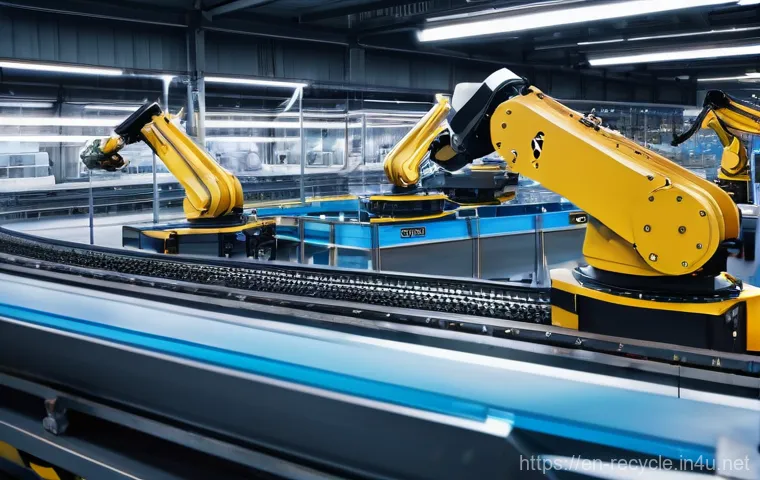
When I first heard about AI and robotics being used in scrap yards, I’ll admit, I was a bit skeptical. But seeing it in action completely changed my mind! Imagine robots with incredibly precise grippers, guided by AI, meticulously picking out specific metals from a mixed stream of materials. Or optical sorters using advanced spectroscopy to identify different alloys in milliseconds. This isn’t just cool tech; it’s revolutionary. Manual sorting is slow, prone to human error, and can be dangerous. With AI and robotics, facilities can achieve purity levels for recycled metals that were previously unimaginable. This means higher quality recycled products and less contamination, which in turn makes the recycled materials more valuable to manufacturers. What really gets me excited is the potential for these systems to adapt and learn, constantly improving their efficiency. It’s like having an army of tireless, super-smart workers ensuring that every valuable piece of metal gets a second life. I believe this move towards intelligent automation is not just an upgrade; it’s the future, allowing us to process vast quantities of material with unprecedented accuracy.
From Grime to Gleam: Advanced Purification Techniques
Getting metal from its grimy, discarded state back to a pristine, usable form is a journey that’s been drastically improved by advanced purification techniques. It’s not enough to just sort metals; they often need extensive cleaning and processing to remove impurities that could compromise the quality of new products. I’ve learned that modern facilities are employing incredible methods, from sophisticated washing and shredding systems to magnetic separation and even eddy current separators that can distinguish between ferrous and non-ferrous metals. What’s even more impressive are the pyrometallurgical and hydrometallurgical processes that can extract precious metals from complex electronic waste, for example. These aren’t just industrial buzzwords; they represent cutting-edge chemistry and engineering dedicated to maximizing resource recovery. The goal is always to achieve the highest possible purity, which makes the recycled metal directly comparable in quality to virgin materials. This ensures that manufacturers don’t have to compromise on product integrity when choosing recycled inputs. It’s a testament to human ingenuity, turning what looks like unusable waste into valuable, high-grade raw materials ready for a new purpose.
Your Old Junk, a Planet’s New Hope: The Unseen Environmental Impact
When you toss that old aluminum can or worn-out appliance into the recycling bin, do you ever stop to think about the incredible ripple effect it has on our environment? I certainly do now! What I’ve come to realize is that the scrap metal industry isn’t just about business; it’s a monumental environmental endeavor. Every single ton of metal recycled translates into significant savings in energy, water, and raw materials that would otherwise be consumed in mining and processing virgin ores. It’s a powerful, tangible way we can combat climate change and resource depletion. I often hear people talk about “going green,” and while individual actions are important, the large-scale impact of metal recycling is truly transformative. It reduces landfill waste, prevents pollution from mining activities, and lessens the demand for energy-intensive primary production. It’s a quiet hero in the fight for a healthier planet, working behind the scenes to make a profound difference that benefits us all, even if we don’t always see it directly. This aspect really speaks to me, knowing that our collective efforts have such a meaningful impact.
Cutting Carbon: The Climate Benefits We Can’t Ignore
If there’s one aspect of metal recycling that truly gets me fired up, it’s its colossal impact on reducing carbon emissions. Honestly, the numbers are just jaw-dropping. Producing new steel from recycled scrap, for example, uses significantly less energy – we’re talking about a reduction of around 75% compared to making it from raw ore. For aluminum, the energy savings can be an astounding 95%! Now, think about what that means for greenhouse gas emissions. Less energy consumed equals fewer carbon emissions released into the atmosphere. This is a direct, measurable contribution to fighting climate change. I’ve seen data suggesting that millions of tons of carbon dioxide are prevented from entering the atmosphere each year thanks to metal recycling. It’s not just a minor adjustment; it’s a major force multiplier in our efforts to decarbonize industrial processes. When you consider the sheer volume of metal recycled globally, these savings accumulate into a truly massive positive impact. It’s a powerful testament to how a “dirty” industry can actually be one of our cleanest allies in building a sustainable future.
Resource Resilience: Conserving Our Precious Earth
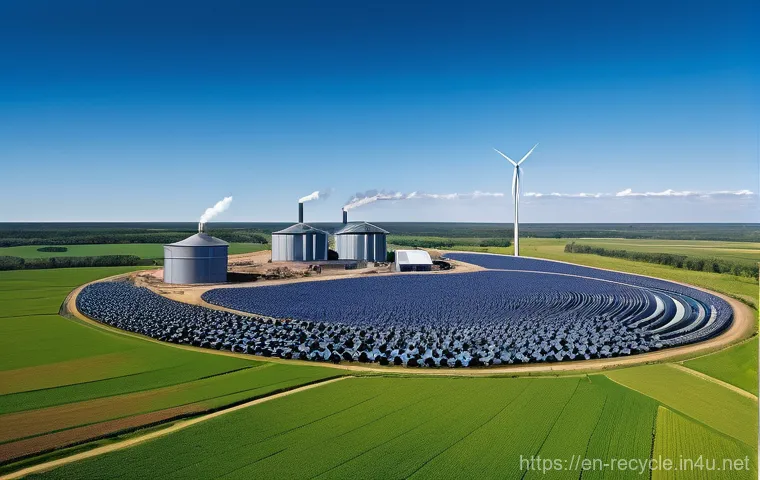
Beyond just cutting carbon, what truly resonates with me is how metal recycling champions resource resilience and conserves our precious natural world. Our planet has finite resources, and mining for new metals often comes with a hefty environmental price tag: habitat destruction, water pollution, and massive land disturbance. By continuously recycling metals, we significantly reduce the need for new mining operations. This means less disruption to ecosystems, less strain on freshwater resources, and preserving natural landscapes for future generations. I often think about the impact on places like rainforests or fragile arctic regions that are increasingly targeted for their mineral wealth. Recycling offers a viable alternative, allowing us to meet our industrial needs without constantly digging up new parts of the earth. It’s about being smarter with what we already have and fostering a closed-loop system where resources are valued and reused indefinitely. This focus on long-term sustainability and protecting our natural heritage is, in my opinion, one of the most compelling arguments for vigorously supporting the scrap metal recycling market.
| Metal Type | Primary Environmental Benefit of Recycling | Common Source Examples |
|---|---|---|
| Steel | Up to 75% energy savings, significant reduction in mining new iron ore. | Cars, appliances, construction beams, food cans. |
| Aluminum | Up to 95% energy savings, avoids bauxite mining. | Beverage cans, window frames, car parts, foils. |
| Copper | Up to 85% energy savings, reduces need for new copper mining which is often energy-intensive. | Electrical wires, pipes, plumbing fixtures, old electronics. |
| Brass | Significant energy and resource savings, as it’s an alloy of copper and zinc. | Faucets, valves, musical instruments, decorative items. |
| Stainless Steel | Reduces demand for nickel and chromium mining, high energy savings. | Kitchen sinks, cutlery, industrial equipment, medical tools. |
Unlocking the Value: From Garage to Global Market
It’s genuinely amazing how a discarded item from your garage can embark on a journey that ends up affecting global supply chains. I’ve always found it fascinating to trace the path of scrap metal, from something as mundane as an old bicycle to a critical component in a brand-new product. What often goes unnoticed is the intricate network of individuals and businesses that work tirelessly to collect, sort, process, and transport these materials. It’s not just about big corporations; it’s about local junk dealers, small family-run scrap yards, and even independent collectors who are all integral cogs in this massive machine. They’re the ones unlocking the hidden value in what others might see as mere waste. This entire process, from initial collection to final melt, is a testament to human enterprise and resourcefulness. It’s a reminder that value often lies not just in what’s new, but in the potential for renewal that exists within what’s old. For me, it truly highlights the entrepreneurial spirit alive in this industry, constantly seeking to find and create worth where others might overlook it.
Tapping into the Source: Where Scrap Truly Comes From
When you think about “scrap metal,” where does your mind go? Maybe a sprawling industrial yard? While those are definitely major players, what I’ve discovered is that the sources of scrap are incredibly diverse and often much closer to home than you’d imagine. A huge portion, what we call “post-consumer” scrap, comes directly from us! Think about that old car you trade in, the worn-out refrigerator you replace, or even those ancient electronics gathering dust in your closet. Then there’s “industrial” or “pre-consumer” scrap – offcuts and excess materials generated during manufacturing processes. This includes everything from steel shavings at a fabrication plant to rejected aluminum sheets from an auto factory. Even massive infrastructure projects, like bridges being demolished or old rail lines being replaced, contribute enormous quantities of valuable metals. It’s truly a widespread collection effort, encompassing demolition sites, construction projects, manufacturing plants, and yes, even our own homes. Tapping into these varied sources requires a complex logistics network, but it ensures a steady stream of materials for the recycling ecosystem.
Turning Trash to Treasure: The Business Side of Recycling
Let’s be honest, while the environmental benefits of recycling are huge, the reason this industry thrives is because there’s serious money to be made – turning trash into treasure is big business! What’s truly eye-opening is the sheer economic ecosystem built around scrap metal. From the small-scale collectors who might pick up discarded items for a few dollars, to multi-million dollar shredding facilities and international trading houses, there are countless layers of commerce. Businesses invest heavily in machinery, logistics, and skilled labor because the demand for recycled materials is so consistent and robust. The beauty of it is that it creates jobs at every stage, from the initial collection to high-tech sorting and processing. I’ve spoken with entrepreneurs who started with a single truck and built entire empires out of recognizing the latent value in discarded metal. This isn’t just about charity; it’s about smart economics. Companies that embrace recycled content often find it’s a more stable, cost-effective, and environmentally responsible way to source their raw materials, which in turn fuels the entire recycling market. It’s a fascinating example of how profit motives can align perfectly with planetary well-being.
The Future’s Forging: What’s Next for Metal Recycling
Looking ahead, the future of the scrap metal recycling market isn’t just bright; it’s absolutely blazing with potential! I genuinely believe we’re just scratching the surface of what’s possible in this industry. The combination of increasing global awareness about sustainability, rapid technological advancements, and evolving policy landscapes is creating an unprecedented environment for growth and innovation. We’re moving beyond just basic collection and processing into sophisticated material science and advanced resource recovery. I envision a future where virtually no metal goes to waste, where every component of a discarded product is meticulously separated and returned to the manufacturing loop. This isn’t just wishful thinking; it’s becoming an economic imperative. As populations grow and resources become scarcer, the value of secondary raw materials will only continue to climb. It’s an exciting time to be observing this sector, as it consistently reinvents itself and finds new ways to contribute to a more sustainable, circular global economy. The innovations emerging today will undoubtedly shape our material world for decades to come, and I’m genuinely thrilled to see what unfolds next!
Policy Pushes and Green Initiatives: A Brighter Outlook
One of the biggest drivers I’ve observed for the future growth and innovation in metal recycling comes from changing government policies and widespread green initiatives. We’re seeing more and more countries implement regulations that encourage, or even mandate, the use of recycled content in manufacturing. Extended Producer Responsibility (EPR) schemes, for instance, are holding manufacturers accountable for the end-of-life management of their products, which naturally pushes them towards designing for recyclability and investing in recycling infrastructure. Furthermore, as climate change becomes an even more pressing global issue, governments and international bodies are setting ambitious carbon reduction targets. Since metal recycling offers such significant energy savings and emissions reductions, it’s increasingly being recognized as a key strategy to meet these goals. I personally feel a sense of hope when I see these policy pushes, because they provide the necessary framework and incentives for businesses to fully embrace circular practices. It’s a powerful combination of top-down regulation and grassroots demand, creating a much brighter outlook for the entire recycling ecosystem and ensuring its continued expansion and vital role in our economies.
Emerging Materials and New Opportunities
Just when you think you’ve got a handle on the types of metals being recycled, new materials and alloys are constantly emerging, opening up exciting new opportunities for the recycling market. Think about the rapid evolution of electric vehicles; they contain unique battery chemistries and lightweight alloys that require specialized recycling processes. The same goes for advanced electronics, medical devices, and renewable energy technologies like solar panels and wind turbines, which all rely on specific, often rare, metals. The challenge, but also the immense opportunity, lies in developing the technologies and infrastructure to efficiently recover these new, complex materials. I’ve seen some truly ingenious startups focused solely on extracting precious metals from e-waste or recovering lithium from spent EV batteries. This constant innovation means the scrap metal industry is far from stagnant; it’s a dynamic, ever-evolving field. As our technological landscape shifts, so too does the composition of our waste stream, creating a continuous need for research, development, and investment in next-generation recycling solutions. It’s a compelling reminder that yesterday’s waste can quickly become tomorrow’s invaluable resource, driving new industries and countless job opportunities.
글을 마치며
이 포스팅을 통해 스크랩 메탈이라는 놀라운 세계에 대해 저의 눈이, 그리고 바라건대 여러분의 눈도 활짝 열렸기를 바랍니다. 단순히 버려진 물건 그 이상입니다. 지속 가능한 미래를 향한 우리의 여정을 진정으로 지탱하는 활기차고 혁신적인 산업입니다. 처음 이 분야를 깊이 들여다봤을 때, 기후 변화에 맞서는 것부터 세계 경제를 움직이고 기술적 도약을 이끄는 것까지, 이 산업이 미치는 엄청난 영향을 상상조차 하지 못했습니다. 이 모든 것이 ‘쓰레기’가 무엇인지에 대한 우리의 생각을 완전히 바꾸어 놓습니다. 그러니 다음번에 금속 조각을 보게 되면, 그냥 버리기 전에 다시 한번 생각해보세요. 여러분은 어쩌면 내일의 지속 가능한 세상의 한 조각을 들고 있을지도 모릅니다!
알아두면 쓸모 있는 정보
제가 스크랩 메탈의 세계에 더 깊이 관여하거나 단순히 더 잘 이해하고 싶어 하는 분들에게 정말 유용하다고 생각하는 실용적인 팁 몇 가지를 알려드릴게요:
1. 금속 유형을 파악하세요: 고철 처리장으로 향하기 전에, 어떤 종류의 금속을 가지고 있는지 확인해보세요. 철금속(철과 강철처럼 자성이 있는 금속)은 비철금속(알루미늄, 구리, 황동처럼 자성이 없는 금속)과 다른 가격을 받는 경우가 많습니다. 미리 분류해두면 시간을 절약하고 더 많은 돈을 벌 수도 있습니다.
2. 평판 좋은 지역 고철 처리장을 찾으세요: “scrap metal near me” 또는 “metal recycling center”를 온라인에서 빠르게 검색하면 좋은 시작점을 찾을 수 있습니다. 좋은 후기와 명확한 가격 정책을 가진 곳을 찾아보세요. 미리 전화해서 어떤 종류의 금속을 받는지와 현재 가격을 확인하는 것도 좋습니다.
3. 스크랩을 깨끗하게 준비하세요: 항상 필수적인 것은 아니지만, 금속 스크랩에서 비금속 부착물(플라스틱, 고무, 나무 등)을 제거하면 그 가치를 크게 높일 수 있습니다. 깨끗한 스크랩은 처리장에서 가공하기 더 쉽고 종종 더 좋은 가격을 받습니다.
4. 시장 가격을 주시하세요: 스크랩 금속 가격은 전 세계적인 수요, 공급 및 경제 지표에 따라 변동합니다. 방문하기 전에 온라인 상품 사이트를 확인하거나 지역 고철 처리장에 “scrap metal prices per pound” 또는 “per ton”으로 전화하여 현재 시세를 파악하면 무엇을 기대할 수 있는지 알 수 있습니다.
5. 가치를 위해 양을 고려하세요: 개별 가정의 경우, 소량의 스크랩은 큰 수익을 내지 못할 수도 있지만, 모든 조각이 지구에 도움이 됩니다! 개조나 대청소와 같은 대량의 경우, 재정적 인센티브가 상당히 커질 수 있으므로 재료를 적절히 수집하고 운반하는 노력을 기울일 가치가 충분합니다.
중요 사항 정리
와, 스크랩 메탈의 “녹색 골드 러시”를 탐험하면서 정말 멋진 여정이었죠! 만약 여러분이 이 자리에서 몇 가지 핵심 아이디어를 꼭 기억하고 가신다면, 바로 이겁니다: 첫째, 이것은 단순히 폐기물 관리가 아닙니다. 글로벌 지속 가능성에 엄청난 기여를 하고 있습니다. 재활용되는 금속 한 톤마다 에너지 소비와 탄소 배출량이 크게 줄어들어, 기후 변화와 자원 고갈에 맞서는 우리의 싸움에서 부인할 수 없는 영웅이 됩니다. 둘째, 시장은 AI 분류와 같은 첨단 기술부터 복잡한 글로벌 공급망 및 지정학적 사건에 이르기까지 모든 것에 영향을 받아 놀랍도록 역동적입니다. 전 세계적으로 상당한 경제적 기회를 창출하는 복잡한 수요와 공급의 춤입니다. 마지막으로, 그리고 아마도 가장 중요하게, 스크랩 금속 재활용의 미래는 엄청나게 흥미진진하며, 새로운 혁신과 지지적인 정책이 지속적으로 등장하여 우리의 순환 경제를 더욱 강력하게 만들고 있습니다. 이는 오래된 캔 하나를 재활용하는 것과 같은 우리의 일상적인 행동이 어떻게 더 건강한 지구와 더 효율적인 산업 환경을 위한 강력한 글로벌 운동과 연결되는지를 진정으로 강조합니다. 저는 우리가 함께 이룰 수 있는 것에 대해 진심으로 낙관하고 있습니다!
Frequently Asked Questions (FAQ) 📖
Q: What are the main forces driving the scrap metal recycling market right now?
A: Oh, this is such a great question because it really gets to the heart of why this market is so dynamic! From what I’ve been seeing and hearing, there are a few really powerful forces at play.
First up is the ever-increasing global demand for raw materials. Think about it: with industrialization booming in so many developing nations, especially in Asia-Pacific, there’s a constant need for metals like steel, aluminum, and copper for everything from new buildings to electric vehicles and tech gadgets.
This demand puts a lot of pressure on virgin material extraction, making recycled metals incredibly valuable and attractive as a more sustainable and often cost-effective alternative.
Then, we absolutely have to talk about technological advancements. I’ve been truly amazed by the leaps and bounds in areas like automated sorting systems that use AI and machine learning to identify and separate different metals.
Seriously, it’s like something out of a sci-fi movie! We’re also seeing much better metal analysis techniques, like LIBS and XRF, that ensure the quality of recycled metal, which is a big deal for manufacturers.
These innovations aren’t just cool; they’re making the whole recycling process so much more efficient and precise, improving recovery rates and reducing environmental footprints.
And of course, we can’t ignore the huge push for sustainability and the circular economy. More and more, governments are implementing regulations and incentives to promote recycling, and consumers are demanding greener products.
This isn’t just a trend; it’s a fundamental shift in how we think about resources. Businesses are realizing that using recycled metals isn’t just good for their image; it reduces production costs and helps them meet their sustainability goals.
Honestly, it’s a win-win, and it’s accelerating the adoption of recycling practices across the board.
Q: How does recycling scrap metal really help the environment, beyond just keeping junk out of landfills?
A: That’s a fantastic question, and it’s something I’m passionate about sharing! While diverting waste from landfills is a huge benefit, the environmental impact of scrap metal recycling goes so much deeper.
I’ve learned that it’s a powerful tool in combating some of our planet’s biggest challenges. First, let’s talk about conserving natural resources. Mining new metals from the earth is incredibly energy-intensive and can cause serious environmental damage like habitat destruction, soil erosion, and water pollution.
When we recycle scrap metal, we significantly reduce the need for this virgin mining, preserving precious natural resources for future generations. It’s like giving the Earth a much-needed break!
Then, there’s the massive reduction in energy consumption and greenhouse gas emissions. This is a big one! Manufacturing products from recycled metal requires far less energy than starting from scratch with raw ores.
For example, recycling aluminum can save a whopping 95% of the energy needed to produce new aluminum. Imagine that! This decreased energy consumption directly translates to a significant reduction in greenhouse gas emissions, which are a major contributor to climate change.
We’re talking about tons of carbon emissions prevented—it’s truly making a difference in the air we breathe. And it’s not just about energy. Recycling also leads to less pollution overall.
Mining and smelting processes release harmful pollutants into the atmosphere and can contaminate waterways with heavy metals and chemicals. By relying more on recycled metal, we lessen the need for these environmentally damaging practices, leading to cleaner air and water.
So, it’s not just about what we don’t put in landfills; it’s about what we prevent from happening in the first place. That, to me, is truly amazing!
Q: Can an everyday person like me actually benefit from or get involved in the scrap metal market?
A: Absolutely, you totally can, and I encourage everyone to consider it! It’s not just for big industrial players; individuals have a real role to play, and yes, you can definitely see some benefits – both for your wallet and the planet!
I’ve even seen friends find cool ways to make a bit of extra cash doing this. The most straightforward way to get involved is by simply collecting and selling your household scrap metal.
You’d be surprised how much metal we have lying around! Think about those old soda cans, worn-out appliances, retired auto parts, or even metal furniture and fencing you might be planning to toss.
Many common metals like copper, aluminum, brass, and even certain types of steel can be recycled for cash payments at local scrap yards. Non-ferrous metals (the ones a magnet doesn’t stick to, like copper and aluminum) are usually worth more than ferrous metals (like steel and iron), so it pays to separate them if you can.
How do you do it? Start by taking a magnet to your metal items to differentiate between ferrous and non-ferrous. Then, search for a local scrap yard in your area.
Many places are super welcoming to individual sellers. I always recommend calling ahead to ask what types of metals they accept and what their procedures are.
Some even have apps that help you find local yards and see what they’re paying! Beyond selling, you can also advocate for or participate in community recycling programs.
If your town doesn’t have robust curbside metal recycling, why not suggest it to your city council? Or, you could even organize a local “metal recycling day” with friends and neighbors.
I’ve found that when people come together, they can make a real impact. You’re not just getting rid of clutter; you’re actively contributing to a more sustainable local economy and a healthier environment.
It feels good, and it shows that every bit really does count!