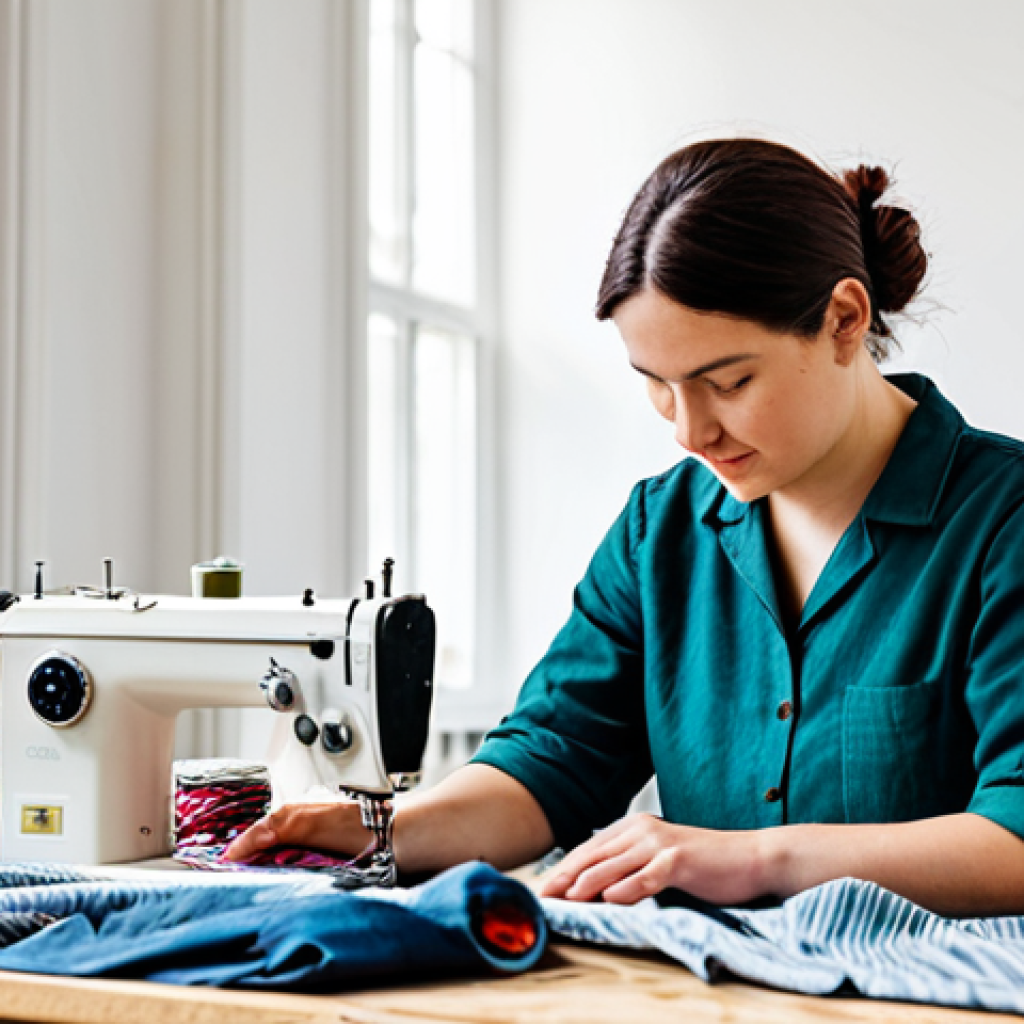
Ever felt a pang of guilt scrolling through endless fast fashion sites, knowing the immense waste they generate? I certainly have. That’s precisely why upcycling fashion has captivated me – it’s a vibrant, innovative answer to the environmental crisis, turning what’s discarded into something truly remarkable.
It’s not just about clothes; it’s about a radical shift in how we consume and create. Ready to discover how your wardrobe can become a powerful statement of change?
Let’s uncover the full story below. When I first stumbled upon upcycled garments, what truly hit me wasn’t just their unique aesthetic, but the palpable story embedded in each stitch.
It felt like holding a piece of history, reimagined. It’s a far cry from the soulless uniformity of mass-produced items, offering a genuine sense of individuality that I personally crave.
This isn’t just a fleeting trend; it’s a movement deeply rooted in a growing global consciousness, especially among younger generations who are actively demanding more ethical and transparent practices from brands.
We’re grappling with a monumental textile waste crisis, where landfills overflow with discarded garments, and the environmental footprint of ‘new’ fashion is staggering.
While greenwashing remains a concern, pushing consumers to scrutinize claims, upcycling offers a tangible, impactful solution. It directly diverts waste, drastically reducing the demand for virgin resources.
Looking ahead, I envision a future where upcycling transcends its current niche, becoming integral to mainstream fashion. Imagine AI-powered platforms that efficiently match discarded textiles with designers, or local community hubs where consumers can bring old clothes to be transformed by skilled artisans.
This isn’t just wishful thinking; it aligns perfectly with the burgeoning circular economy movement and consumer desire for authentic, sustainable alternatives.
This shift, driven by innovation and collective responsibility, promises not just a cleaner planet, but a wardrobe filled with truly meaningful pieces.
The Art of Transformation: Crafting New Narratives from Discarded Threads
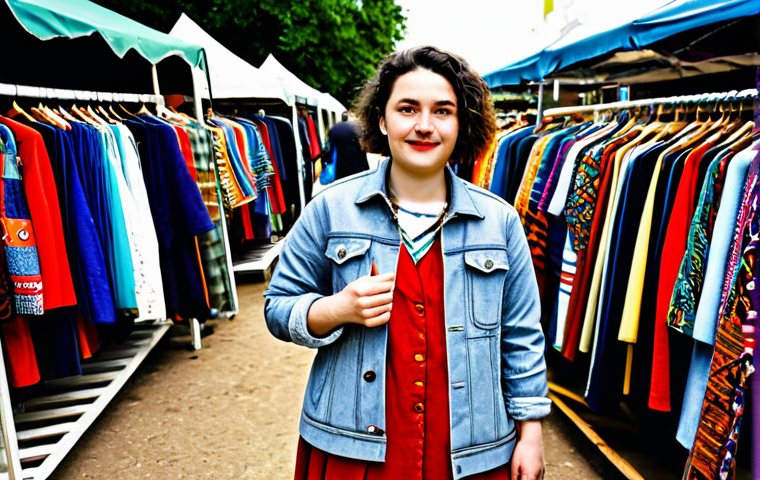
When I first delved into the world of upcycling, it wasn’t just about reducing waste; it was about witnessing an incredible alchemy unfold. It’s like watching a master storyteller weave a whole new narrative from fragmented paragraphs, transforming an old, forgotten garment into a vibrant piece that breathes new life.
This isn’t merely patching holes or mending tears; true upcycling involves deconstructing, reinterpreting, and often, completely redesigning fabric and garments that would otherwise end up in a landfill.
I’ve seen designers meticulously unpick denim jeans to reconstruct them into breathtaking corsets, or painstakingly piece together scraps of silk scarves to create a flowy, unique dress.
The ingenuity never ceases to amaze me. This process requires not just sewing skills, but a deeply intuitive understanding of textiles, an artist’s eye for color and texture, and a fearless willingness to experiment.
It’s a testament to human creativity, challenging the very notion of obsolescence and proving that beauty can indeed rise from the ashes of discarded consumerism.
It’s exhilarating to see a stained old trench coat become a chic new backpack, or a collection of forgotten bandanas merge into a stunning bohemian skirt.
The potential is boundless, limited only by imagination.
1. Unraveling the Creative Process: From Concept to Couture
The journey of an upcycled piece often begins with an unexpected find – a vintage dress from a thrift store, a pile of leftover fabric from a manufacturer, or even an old pair of curtains gathering dust in an attic.
This is where the magic starts. I remember feeling a surge of excitement when I stumbled upon a beautifully patterned, albeit slightly damaged, tablecloth and immediately envisioned it as a sophisticated summer blouse.
The initial concept isn’t always fully formed; sometimes, it’s about letting the material speak to you, allowing its unique characteristics to guide the design.
Designers often spend hours, even days, just draping, cutting, and pinning, experimenting with different forms until a new silhouette emerges. This tactile, hands-on approach is a stark contrast to the often sterile, computer-aided design processes in fast fashion.
It’s deeply personal, imbuing each finished piece with the soul of its creator and the history of its previous life.
2. The Unexpected Power of Deconstruction and Reconstruction
At the heart of upcycling lies the philosophy of deconstruction. It’s about breaking down what already exists to build something entirely new. Think about the intricate patchwork quilts your grandmother might have made – that’s upcycling in its purest form.
Modern upcyclers take this a step further, not just by piecing together scraps, but by deliberately dissecting garments, removing sleeves, collars, and seams, and then reassembling them in innovative ways.
I’ve seen this technique used to transform oversized men’s shirts into stylish women’s blouses with new necklines and daring cutouts. It’s a design challenge that pushes boundaries, requiring a deep understanding of garment construction and an eye for how different elements can interact to create a cohesive, desirable product.
This meticulous process often takes more time and skill than creating a garment from scratch, highlighting the true craftsmanship involved.
Finding Your Upcycled Style: A Treasure Hunt for Unique Pieces
Stepping into the world of upcycled fashion feels like embarking on a grand treasure hunt, and I mean that in the most delightful way. Unlike the predictable racks of a department store, every upcycled piece tells a story, promising a unique aesthetic that mass production simply cannot replicate.
For me, the thrill isn’t just in finding a beautiful item, but in discovering its history, imagining its previous life, and appreciating the creative journey it undertook to become what it is now.
It’s about cultivating a personal style that truly reflects individuality and a conscious choice to consume differently. You know that feeling when you walk into a party and someone else is wearing the exact same outfit?
With upcycled fashion, that nightmare simply vanishes. Each piece is a conversation starter, a testament to originality, and often, a surprisingly affordable way to inject high-end design sensibilities into your wardrobe.
This shift in mindset from constant acquisition to thoughtful curation is, in my opinion, one of the most rewarding aspects of embracing upcycled fashion.
1. Where to Begin Your Upcycled Fashion Journey
So, where do you start this exciting hunt? My first recommendation is always local thrift stores, vintage shops, and consignment boutiques. These are literal goldmines for materials and pre-upcycled pieces.
I’ve personally found stunning vintage silk scarves that were perfect for transforming into a top, or forgotten denim jackets ripe for embellishment. Beyond physical stores, the online world has exploded with platforms dedicated to sustainable and upcycled fashion.
Websites like Etsy are brimming with independent artisans creating one-of-a-kind pieces. There are also specialized online marketplaces focusing exclusively on pre-loved and upcycled designer wear.
Don’t overlook local artisan markets or pop-up events; these are fantastic opportunities to meet the creators, hear their stories, and directly support their sustainable practices.
The beauty of these avenues is that you’re not just buying clothes; you’re investing in a piece of art and a sustainable future.
2. Key Considerations for Curating Your Upcycled Wardrobe
When you’re sifting through potential upcycled gems, it’s helpful to keep a few things in mind. Firstly, assess the quality of the original material. Even if it’s been transformed, good base materials like natural fibers (cotton, linen, wool, silk) tend to last longer and wear better.
Secondly, examine the craftsmanship of the upcycling process. Are the seams neat? Is the design cohesive?
Does it feel durable? A well-executed upcycled piece should feel just as, if not more, sturdy and well-made than a new garment. Thirdly, consider how it fits into your existing wardrobe.
Upcycled pieces are often statement items, so think about how they can complement your current style rather than clash with it. I’ve found it helpful to imagine at least three different outfits I can create with a new upcycled piece before making a purchase.
Lastly, embrace the imperfections. Sometimes, a slight fade or a cleverly mended patch adds character and tells part of the item’s unique story. It’s part of its charm.
Beyond Sustainability: The Personal Perks of Embracing Upcycled Fashion
While the environmental benefits of upcycling are undeniably paramount, the advantages extend far beyond just being “eco-friendly.” For me, personally, upcycled fashion has unlocked a level of creative expression and individuality that I simply couldn’t achieve with conventional clothing.
There’s an undeniable thrill in wearing something truly unique, something that no one else in the world possesses. It’s like discovering a secret club where everyone’s style is an original masterpiece.
This sense of authenticity is incredibly liberating in a world saturated with mass-produced trends. But it’s not just about looking good; it’s about feeling good, too.
Knowing that your clothing choice actively contributes to waste reduction and supports ethical labor practices provides a deep sense of satisfaction. It transforms the simple act of getting dressed into a powerful statement of personal values.
1. Cultivating a Truly Unique Personal Style
One of the most compelling reasons I fell in love with upcycled fashion is its unparalleled ability to foster unique personal style. Fast fashion, by its very nature, encourages conformity; everyone wears the same trending items, leading to a sea of sameness.
Upcycling, conversely, celebrates distinctiveness. Because each piece is often one-of-a-kind, either handcrafted by an artisan or custom-designed by yourself, you develop a wardrobe that is an authentic reflection of your personality and aesthetic preferences.
I remember designing a skirt from an old pair of jeans and a collection of vintage handkerchiefs – it was quirky, unexpected, and undeniably ‘me.’ That feeling of wearing something that truly resonates with your inner self is incredibly empowering.
It allows you to break free from the dictated fashion cycles and embrace a more intuitive, personal approach to dressing.
2. Unexpected Cost Savings and Enhanced Durability
Many people mistakenly believe that sustainable fashion is always more expensive, but upcycling can actually be incredibly budget-friendly. When you consider DIY upcycling, the cost is minimal – often just the price of a thrift store find and some basic sewing supplies.
Even purchasing from independent upcycling brands can be more cost-effective in the long run. While the initial price might sometimes be higher than a fast-fashion item, upcycled pieces are often made with greater care and from more durable materials, meaning they last significantly longer.
I’ve personally found that my upcycled garments withstand countless washes and years of wear far better than their mass-produced counterparts. This translates to fewer replacements, less overall spending, and a more robust wardrobe.
It’s a win-win for both your wallet and the planet.
Navigating the Upcycling Landscape: From Niche Artisans to Emerging Brands
The upcycling landscape is a vibrant, diverse ecosystem, teeming with innovation. What started as a niche movement among DIY enthusiasts and independent artisans has now caught the eye of larger brands and even luxury houses, albeit slowly.
It’s a fascinating journey to observe, from the solitary creator working out of a home studio to more structured collectives and businesses. This evolution is vital because it signifies a broader acceptance of upcycling as a legitimate and impactful solution within the fashion industry.
I’ve personally witnessed the growth of local upcycling initiatives, which initially struggled for visibility, now gaining significant traction and media attention.
This expansion is crucial for making upcycled fashion accessible to a wider audience, moving it from the fringes to a more central role in sustainable consumption.
Understanding the different players in this space can help consumers make more informed choices about where to put their purchasing power.
1. Supporting Independent Artisans and Local Creators
For me, there’s nothing quite like the satisfaction of purchasing directly from an independent upcycling artisan. These creators are often driven by passion and a deep commitment to sustainability.
They pour their heart and soul into each piece, giving it a unique character that larger brands simply cannot replicate. When you buy from them, you’re not just acquiring an item of clothing; you’re supporting a dream, a sustainable practice, and often, a local economy.
I’ve met incredible artisans at local markets who share the fascinating backstory of each garment, detailing how they transformed an old military tent into a stylish jacket or an array of vintage scarves into a stunning dress.
This direct connection fosters a sense of community and trust, which is often missing in the anonymous world of mainstream retail. It’s truly a feel-good transaction.
2. The Role of Emerging Brands and Collaborations in Scaling Upcycling
As upcycling gains momentum, we’re seeing an exciting proliferation of emerging brands dedicated solely to this practice. These brands often operate with a mission-driven approach, focusing on ethical production, transparent supply chains, and innovative design.
They’re taking upcycling beyond one-off pieces and into scalable collections. Furthermore, some larger, more established brands are beginning to experiment with upcycled capsules or collaborations with upcycling experts.
While this can sometimes be viewed with a skeptical eye (is it greenwashing or genuine effort?), I believe it signifies a positive shift. The more upcycling enters the mainstream conversation and production cycle, the greater its potential impact.
It pushes the boundaries of what’s possible and challenges conventional manufacturing norms.
| Feature | Upcycled Fashion | Fast Fashion |
|---|---|---|
| Environmental Impact | Significantly reduces textile waste, conserves resources, lower carbon footprint. Emphasizes circularity. | High waste generation, massive resource consumption, significant carbon emissions. Linear model. |
| Uniqueness & Individuality | High – often one-of-a-kind, unique designs, personalized aesthetics. Expresses distinct style. | Low – mass-produced, trend-driven, leads to widespread conformity. Lacks personal touch. |
| Quality & Durability | Varies, but often repurposed from durable materials; focuses on longevity and craftsmanship. | Generally low quality, designed for short-term wear, quickly becomes obsolete. |
| Ethical Considerations | Promotes fair labor (often local artisans), empowers communities, transparent processes. | Often associated with exploitative labor practices, poor working conditions, and lack of transparency. |
| Cost (Long-Term Value) | Can vary from affordable DIY to high-end designer pieces; often more cost-effective due to longevity. | Generally low initial cost, but high hidden environmental and social costs; requires frequent replacement. |
| Story & Meaning | Each piece has a unique history and story of transformation; carries emotional value. | Lacks inherent story beyond fleeting seasonal trends; disposable culture. |
DIY Upcycling: Unleashing Your Inner Designer
For anyone feeling a spark of creativity and a desire to make a tangible difference, DIY upcycling is an incredibly rewarding avenue. It’s not just about saving money or the environment; it’s about rediscovering the joy of creating with your own hands, transforming something old into something uniquely yours.
I’ve found that the process itself is deeply meditative, a wonderful way to unwind and engage with your creative side. There’s a certain magic that happens when you look at an old, discarded garment not as trash, but as raw material brimming with potential.
You don’t need to be a seasoned seamstress or a professional designer to start; simply having a pair of scissors, a needle, and some thread can open up a world of possibilities.
It’s empowering to realize you have the ability to breathe new life into forgotten textiles, preventing them from contributing to the ever-growing landfills.
1. Simple Projects to Get You Started on Your Upcycling Journey
If you’re a beginner, start small! You don’t need to tackle a complete wardrobe overhaul right away. One of my favorite beginner projects is transforming old t-shirts into tote bags.
It’s straightforward, requires minimal sewing, and results in a practical, reusable item. Another easy win is embellishing denim. Old jeans or jackets can be instantly revived with patches, embroidery, fabric paint, or even simple distressing.
I remember taking an old denim jacket that had seen better days and adding some colorful embroidered flowers – it instantly became my favorite go-to piece.
You can also experiment with cutting old sweaters into beanies or converting single socks into stylish hair scrunchies. These small victories build confidence and encourage you to tackle more ambitious projects down the line.
There are countless free tutorials available online to guide you every step of the way.
2. Essential Tools and Mindset for Successful DIY Upcycling
Before you dive in, gather a few basic tools. A good pair of fabric scissors, a seam ripper (invaluable for deconstruction!), a sewing machine (or even just a hand-sewing kit), and a measuring tape are great starting points.
Fabric glue can also be a handy tool for no-sew projects. Beyond the physical tools, cultivating the right mindset is crucial. Embrace imperfection; not every project will turn out exactly as envisioned, and that’s perfectly okay.
See challenges as opportunities to learn and adapt. Be patient with yourself, especially in the beginning. Most importantly, allow yourself to be playful and experiment.
The beauty of upcycling is that there are no strict rules. It’s about letting your imagination run wild and seeing what unique creations emerge from what was once considered waste.
This sense of creative freedom is, for me, one of the greatest joys of DIY upcycling.
The Ripple Effect: How Upcycling Shapes a Better Future
Upcycling isn’t just a trend; it’s a foundational pillar of the burgeoning circular economy, a concept that’s absolutely vital for our planet’s future.
When I talk about upcycling, I’m not just thinking about a single garment; I’m envisioning a systemic shift that redefines our relationship with resources, production, and consumption.
The ripple effect of choosing upcycled fashion extends far beyond the individual, influencing supply chains, fostering local economies, and inspiring innovative solutions to global waste crises.
It’s about more than just clothes; it’s about a radical reimagining of value, where “waste” is no longer an endpoint but a valuable resource waiting for its next chapter.
This transformative power is what truly excites me and drives my passion for promoting upcycled fashion on a broader scale.
1. Upcycling’s Central Role in the Circular Economy Model
At its core, a circular economy aims to keep resources in use for as long as possible, extracting the maximum value from them while in use, then recovering and regenerating products and materials at the end of each service life.
Upcycling fits perfectly into this model. Instead of the linear “take-make-dispose” approach of fast fashion, upcycling represents a “make-use-remake” cycle.
By elevating discarded materials, upcycling reduces the demand for virgin resources, minimizes energy consumption, and prevents valuable textiles from ending up in landfills or being incinerated.
I’ve personally seen how a small upcycling venture can dramatically reduce its waste footprint compared to a traditional manufacturing operation. It’s a powerful, tangible example of how we can design out waste and pollution, keep products and materials in use, and regenerate natural systems.
2. Inspiring Innovation and Sustainable Business Models
The challenges inherent in upcycling — such as sourcing diverse materials, ensuring consistency, and designing for transformation — naturally spur innovation.
This has led to exciting developments in textile recycling technologies, software that helps track and match waste materials, and even new business models focused on repair, rental, and redesign.
I’ve encountered brilliant startups that are developing digital platforms to connect textile waste producers with upcycling designers, creating a more efficient and transparent supply chain.
This collaborative ecosystem is vital for scaling upcycling efforts beyond individual artisans. Furthermore, upcycling compels businesses to think creatively about how they can extend the life of their products or even take back their old garments for transformation.
It’s a paradigm shift that rewards ingenuity and responsibility, pushing the entire fashion industry towards more sustainable practices.
Wrapping Up
So, as we draw this journey to a close, remember that upcycling is far more than just a fleeting trend. It’s a powerful act of defiance against disposable culture, a creative outlet, and a truly rewarding way to contribute to a healthier planet and a more authentic wardrobe.
Every stitch, every reinterpretation, every discarded item given a second life is a step towards a more sustainable and inspiring future. I truly believe that by embracing upcycling, whether through your own DIY projects or by supporting incredible artisans, you’re not just changing your clothes; you’re changing your world.
Handy Information to Know
1. Explore Online Resources: Dive into platforms like Pinterest, YouTube, and specialized blogs for endless free tutorials and inspiration. There’s a vibrant online community ready to share tips and tricks for every skill level!
2. Scout Local Sourcing Opportunities: Beyond traditional thrift stores, check out fabric scraps from local alteration shops, estate sales, or even ask friends and family who are decluttering. You’d be amazed at what treasures you can find right under your nose.
3. Join Community Workshops: Many local community centers or craft stores (like Jo-Ann Fabrics in the US or Hobbycraft in the UK) offer upcycling or sewing workshops. These are fantastic places to learn new skills and connect with like-minded individuals.
4. Care for Your Upcycled Treasures: Just like any cherished garment, treat your upcycled pieces with care. Handwashing or gentle machine cycles, air-drying, and prompt repairs will ensure they last even longer, honoring their transformed life.
5. Start Small, Stay Creative: Don’t feel overwhelmed! Begin with simple projects like turning old t-shirts into headbands or basic mends into unique embellishments. The key is to enjoy the creative process and let your imagination lead the way.
Key Takeaways
Upcycling is a transformative journey that redefines our relationship with fashion and waste. It champions creativity, individuality, and sustainability by turning discarded materials into unique, valuable pieces.
Embracing upcycling, whether through personal projects or supporting artisans, contributes significantly to a circular economy, reduces environmental impact, and fosters a truly authentic personal style.
It’s more than just fashion; it’s a statement for a better future.
Frequently Asked Questions (FAQ) 📖
Q: How can someone like me actually start incorporating upcycling into my wardrobe without needing to be a fashion designer?
A: That’s a great, really practical question! Honestly, when I first got into this, I thought you needed some kind of sewing superpower, but that’s just not the case.
The easiest way to dive in is by checking out platforms like Etsy, where independent designers sell incredible upcycled pieces – you’ll find everything from redesigned vintage tees to reconstructed denim.
Or, hit up your local thrift stores and look with fresh eyes. That slightly-too-big blazer? Maybe it’s a perfect candidate for a quick belt addition to cinch the waist, or a few simple snips and hems to become a trendy crop.
And don’t forget local artisan markets! I’ve stumbled upon some truly unique finds there, pieces with so much character you just don’t get from a department store.
It’s less about being a design genius and more about seeing potential in what’s already out there. You’d be amazed what a little creativity, or even just supporting someone else’s creativity, can do for your style and the planet.
Q: You highlighted the vast textile waste problem. How significant can upcycling truly be as a solution compared to other ‘sustainable’ fashion efforts?
A: That’s a crucial point, and it’s one I ponder a lot myself. While ‘sustainable’ is a pretty broad term these days, often leading to greenwashing (which really grinds my gears, honestly), upcycling stands out because it tackles the waste problem head-on.
Recycling fashion, while good, often means downcycling – turning quality fabric into something lower grade like insulation. Upcycling, on the other hand, preserves and often elevates the original material, keeping it in its highest form of use.
It directly pulls items out of the waste stream before they become unrecoverable, reducing the need for any new resources – no new cotton fields, no new dyes, no new water intensive processes.
It’s a very direct, tangible way to reduce demand for virgin materials and minimize landfill burden. It’s not the only answer, but it’s a mighty impactful one, creating a powerful example of circularity that frankly, makes other “eco-friendly” efforts look a bit, well, less immediate.
It feels real, because you’re literally seeing trash transformed.
Q: Your vision for a mainstream upcycling future sounds exciting. What are the biggest hurdles to achieving that, and what specific innovations might get us there?
A: Oh, that future is definitely what keeps me hopeful! But let’s be real, there are some pretty chunky hurdles. One big one is simply scale – how do you take something inherently individual and make it mass-producible without losing its unique charm?
Another is consumer mindset; people are still largely conditioned to want “new” and “perfect.” And then there’s the logistical challenge of sorting and identifying suitable discarded textiles at a massive scale.
But for innovations? I honestly believe AI is going to be a game-changer here. Imagine AI systems that can precisely scan discarded garments, identifying fabric type, condition, and even potential design transformations, then instantly matching them with designers or manufacturers looking for specific inputs.
Think about how much that would streamline sourcing! Also, I’m really optimistic about the rise of localized, community-driven “repair and transform” hubs.
Places where people can bring their old clothes, learn basic upcycling skills, or even commission local artisans to revamp pieces. This fosters a sense of community and connection, making upcycling less abstract and more accessible.
It’s about merging high-tech efficiency with grassroots creativity to really push this movement from niche to norm.
📚 References
Wikipedia Encyclopedia
구글 검색 결과
구글 검색 결과
구글 검색 결과
구글 검색 결과
구글 검색 결과