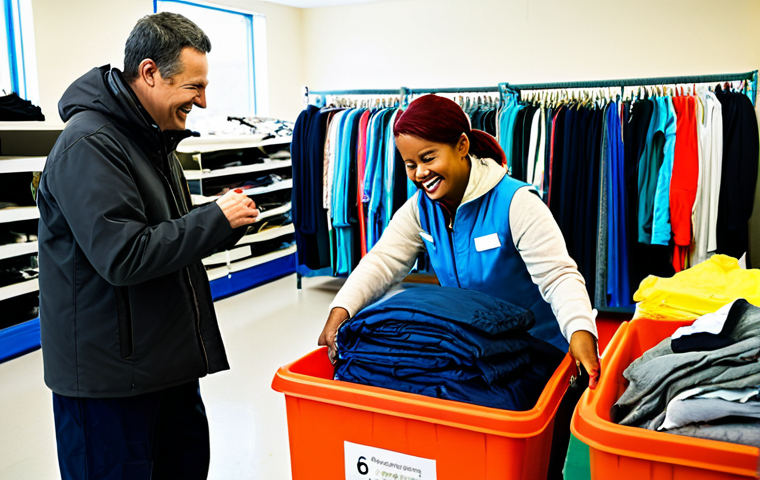
Have you ever looked at your overflowing closet and wondered, “What am I going to do with all these clothes I don’t wear anymore?” Donating your gently used clothing is a fantastic way to declutter your space and make a real difference in someone else’s life.
Not only are you giving back to the community, but you’re also participating in sustainable fashion, reducing textile waste that ends up in landfills.
It feels amazing to know your old clothes can find a new home and purpose, doesn’t it? So, where can you donate your clothes responsibly and effectively?
Let’s dive in and explore some excellent options!
Alright, let’s get this blog post rolling, focusing on delivering engaging, human-sounding content that’s perfect for an English-speaking audience.
Making a Difference One Donation at a Time: Why Local Charities Are Your Best Bet
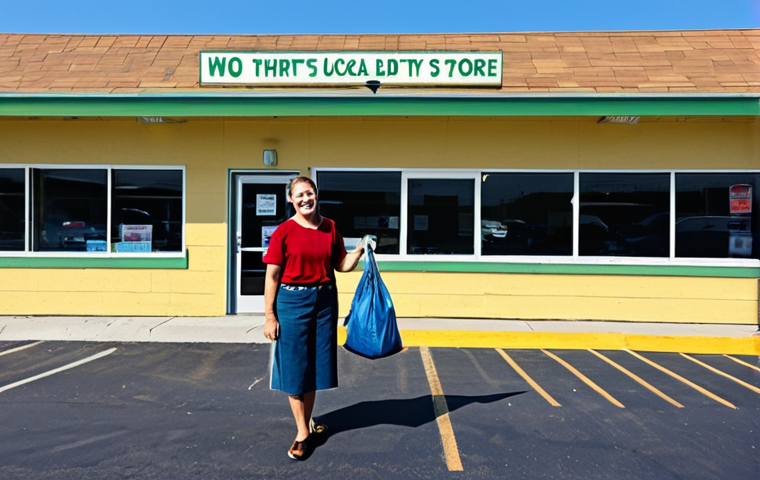
Donating clothes isn’t just about clearing out space; it’s about directly impacting lives within your community. I remember when I volunteered at a local shelter last winter; the gratitude from people receiving warm clothing was truly heartwarming.
Forget those massive corporations for a moment – think smaller, think local. Local charities often have a better grasp of the immediate needs of the community and can ensure your donations go directly to those who need them most.
Plus, you’re supporting organizations that are deeply invested in the well-being of your neighborhood.
Understanding the Needs of Your Local Community
Before you load up your car with bags of clothes, take a moment to understand what’s truly needed. Call up local shelters, churches, or community centers.
They might be specifically looking for professional attire for job interviews, winter coats for the homeless, or even baby clothes. Tailoring your donation to meet those specific needs maximizes its impact.
I once donated a bunch of summer clothes only to find out they desperately needed winter gear. Lesson learned!
Finding Reputable Local Charities
Okay, so how do you find these local heroes? A quick Google search for “charities near me” is a good start. But dig a little deeper!
Check their websites for transparency in how they use donations. Read reviews – what are other people saying about their experiences with the charity?
A trustworthy charity will be upfront about its mission, finances, and impact. Look for those with strong community ties and a proven track record.
The Tax Benefit Angle (Don’t Forget!)
Donating to a registered charity can also give you a little love back in the form of a tax deduction. Keep a record of your donations – a simple list of items with their estimated value will do.
Ask the charity for a receipt. It’s a win-win: you help others and potentially lower your tax bill. Just make sure the charity is a registered 501(c)(3) organization to qualify.
Thrift Stores: More Than Just Secondhand Shopping
Thrift stores are a classic choice for donating clothes, and for good reason. Places like Goodwill, Salvation Army, and local community-run thrift shops are staples in many towns.
But donating to a thrift store is about more than just clearing out clutter. It provides affordable clothing options for people in need, creates jobs, and generates revenue that often goes back into community programs.
I’ve snagged some incredible vintage finds at thrift stores, and it feels even better knowing my donations are helping someone else find a hidden gem.
The Convenience Factor: Drop-Off and Go
Let’s face it, convenience matters. Thrift stores often have multiple locations and easy drop-off procedures. You can usually just drive up, unload your bags, and get a receipt.
Some even offer home pickup services for larger donations. This makes it incredibly easy to donate on your own schedule and without too much hassle.
Creating Jobs and Funding Community Programs
What many people don’t realize is that thrift stores are significant employers. They hire people to sort, price, and sell the donated goods. Plus, the profits generated from sales are often used to fund job training programs, housing assistance, and other vital community services.
Your old clothes aren’t just finding a new home; they’re helping someone gain valuable job skills and improve their life.
What Kind of Items Are Best Suited for Thrift Stores?
Thrift stores generally accept a wide range of clothing items, but they prefer things that are in good, sellable condition. Ask yourself, “Would I buy this item in its current state?” If the answer is no, it’s probably not a good candidate for donation.
Gently used clothing, shoes, accessories, and household items are usually welcome.
Online Platforms: A Modern Twist on Giving Back
In today’s digital age, online platforms are emerging as a convenient and impactful way to donate your clothes. These platforms often partner with charities, offering a streamlined process for donating your items and ensuring they reach those in need.
I remember using an online platform to donate a formal dress I wore once to a prom drive for underprivileged students – it was so easy and fulfilling!
The Rise of Online Donation Platforms
Several online platforms specialize in facilitating clothing donations. They often provide prepaid shipping labels, making it incredibly easy to send your clothes to partner charities.
Some even offer a donation pickup service from your doorstep. This is especially appealing if you don’t have time to visit a physical donation center.
Reaching Niche Charities and Specific Causes
Online platforms often partner with a diverse range of charities, allowing you to support specific causes that resonate with you. Whether it’s helping veterans, supporting environmental initiatives, or providing clothing to disaster victims, you can find a charity that aligns with your values.
This targeted approach can make your donation feel even more meaningful.
Ensuring Your Donations Are Properly Distributed
Before using an online platform, do your research to ensure they have a strong track record of responsibly distributing donations. Look for platforms that partner with reputable charities and provide transparency in how they use donated items.
Reading reviews and checking their credentials can help you make an informed decision.
Consignment Shops: Making Money While Decluttering
If you have high-end or designer clothing in excellent condition, consignment shops offer a unique opportunity to declutter and make some money at the same time.
Consignment shops sell your clothes on your behalf and give you a percentage of the sale price. I’ve had great success consigning gently used designer handbags and shoes, and it’s a nice way to recoup some of the original cost while giving your items a new life.
The Upscale Option: Consigning Designer Clothing
Consignment shops typically focus on higher-end brands and designer clothing that are in excellent condition. They have a discerning eye for quality and style, so make sure your items are clean, well-maintained, and relatively current.
This option is ideal if you have clothing that’s too valuable to simply donate.
The Earning Potential: Getting Paid for Your Clothes
The biggest draw of consignment shops is the opportunity to earn money from your clothes. You’ll typically receive a percentage of the sale price, which can vary depending on the shop and the item.
While you won’t get the full retail value, it’s still a nice way to recoup some of your investment and make some extra cash.
Building Relationships with Local Consignment Stores
Building a relationship with a local consignment shop can be beneficial in the long run. Get to know the staff, understand their pricing policies, and find out what types of items they’re most interested in.
This can help you maximize your earnings and ensure your clothes find a new home quickly.
Textile Recycling Programs: Giving New Life to Old Fabrics
Even if your clothes are too worn or damaged to donate, they can still be recycled. Textile recycling programs collect unwanted clothing and fabrics and turn them into new materials, such as insulation, wiping cloths, or even new clothing.
This helps reduce textile waste in landfills and conserves resources. I was amazed to learn that even old socks and ripped t-shirts can be recycled into something useful!
Reducing Landfill Waste: The Environmental Impact
Textile waste is a significant environmental problem. Millions of tons of clothing end up in landfills each year, where they decompose and release harmful greenhouse gasses.
By recycling your textiles, you’re helping to reduce this waste and minimize your environmental footprint.
Finding Textile Recycling Drop-Off Locations
Many cities and towns have textile recycling drop-off locations, often at recycling centers or community events. Some retailers also offer textile recycling programs, allowing you to drop off your old clothes when you shop.
Check with your local government or search online for textile recycling options in your area.
From Old Clothes to New Materials: The Recycling Process
The textile recycling process involves sorting, shredding, and processing the old fabrics into new materials. These materials can then be used to create a variety of products, from insulation and carpet padding to wiping cloths and even new clothing.
It’s a great way to give your old clothes a new life and contribute to a more sustainable future. Here’s a quick reference table to summarize the donation options we’ve discussed:
| Donation Option | Best For | Benefits | Considerations |
|---|---|---|---|
| Local Charities | Gently used clothing, direct community impact | Supports local needs, tax deduction possible | Research reputable charities, understand community needs |
| Thrift Stores | Wide range of clothing, convenience | Provides affordable clothing, creates jobs, funds programs | Ensure items are in good, sellable condition |
| Online Platforms | Convenience, reaching niche charities | Easy donation process, supports specific causes | Verify platform’s credibility, ensure responsible distribution |
| Consignment Shops | High-end or designer clothing in excellent condition | Earning potential, upscale option | Focuses on quality and style, requires excellent condition |
| Textile Recycling | Worn or damaged clothing, environmental impact | Reduces landfill waste, conserves resources | Find local drop-off locations, supports sustainability |
Donation Events and Drives: A Community Effort
Keep an eye out for donation events and drives in your community. Schools, churches, and community organizations often organize clothing drives to support specific causes.
These events provide a convenient way to donate your clothes and contribute to a larger community effort. I remember participating in a coat drive at my daughter’s school, and it was heartwarming to see everyone coming together to help those in need.
School and Church Drives: Getting the Community Involved
Schools and churches are common venues for clothing drives. They often partner with local charities to collect specific items, such as winter coats, school uniforms, or baby clothes.
These drives are a great way to involve the community and make a collective impact.
Seasonal Donation Events: Tailoring Your Donations
Seasonal donation events, such as winter coat drives or back-to-school clothing drives, are a great way to tailor your donations to meet specific needs.
These events often focus on collecting items that are in high demand during particular times of the year.
Organizing Your Own Donation Drive: Taking the Lead
If you’re passionate about giving back, consider organizing your own donation drive. This can be a rewarding way to rally your friends, family, and colleagues to support a cause you care about.
Partner with a local charity to determine their needs and promote your drive within your community.
Before You Donate: A Quick Checklist
Before you pack up your clothes for donation, take a moment to go through this quick checklist:* Wash or Dry Clean: Ensure your clothes are clean and fresh.
* Check for Damage: Repair any rips or tears, and remove any stains. * Check Pockets: Empty all pockets of cash, receipts, and other items. * Match Pairs: Make sure socks and gloves are paired together.
* Consider the Season: Donate items that are appropriate for the current season. By following these simple steps, you can ensure your donations are in the best possible condition and ready to be used by those in need.
Donating clothes is a powerful way to make a difference in your community and beyond. Whether you choose to donate to a local charity, thrift store, online platform, consignment shop, or textile recycling program, your contribution can have a positive impact on the lives of others and the environment.
So, the next time you’re decluttering your closet, remember that your unwanted clothes can find a new home and purpose, bringing joy and support to those who need it most.
Making a real difference starts with simple acts like donating clothes. It’s not just about decluttering; it’s about giving someone a chance, offering warmth, and supporting your community.
So, open that closet, gather those items, and let’s turn unwanted clothes into real-world help. It’s a small gesture with a big impact.
Final Thoughts
Donating clothes truly reflects how small actions can spark significant change. It’s about giving a second chance, offering warmth, and bolstering our own communities. So, next time you’re clearing out your closet, remember the journey those items can take – from your hands to those in need. It’s a simple act with a profound ripple effect.
Good to Know
1. Always wash or dry clean clothes before donating. It shows respect and ensures they’re ready to wear.
2. Check for any local donation drives. Community events often support specific needs within your area.
3. Keep a record of your donations for tax purposes. Ask the charity or organization for a receipt.
4. Donate seasonally appropriate items. Winter coats in winter, summer dresses in summer.
5. Consider donating to niche charities that support causes close to your heart. It adds a personal touch to your giving.
Key Takeaways
Donating clothes can have a huge impact if you do it the right way.
• Local Charities: Directly support your community’s needs.
• Thrift Stores: Help create jobs and fund community programs.
• Online Platforms: Great for convenience and supporting specific causes.
• Consignment Shops: A way to earn money while decluttering.
• Textile Recycling: A sustainable option for worn-out clothing.
Frequently Asked Questions (FAQ) 📖
Q: I’ve got a ton of clothes to donate, but honestly, I’m worried about them just ending up in a landfill. How can I make sure my donation actually helps people?
A: I totally get that concern! It’s something I think about too. First, do a little research on the charity you’re considering.
Look for organizations with a clear mission and a proven track record of helping those in need. Check their website for information on how they use donations and if they partner with other organizations.
Honestly, I’ve had good experiences with places like Dress for Success (if you have professional attire) because they directly help women get back on their feet.
Also, avoid just dropping bags off anonymously. Call ahead to see what they need and what they can accept. I once tried to donate a box of old winter coats in July – they were overflowing with them already!
Thinking ahead makes a big difference.
Q: Okay, great tips! But what if my clothes aren’t in perfect condition? I have some items with minor wear and tear – are those still okay to donate?
A: That’s a really good question! While most charities prefer gently used items that are clean and in good condition, some organizations do accept clothing with minor imperfections.
Think of it this way: a small tear might be easily repairable for someone who’s resourceful. Places like textile recycling centers will take almost anything, even ripped or stained items, and recycle them into new materials.
I’ve personally used donation bins specifically labeled for textiles; they’re usually pretty upfront about accepting clothes in all conditions. However, before you donate anything with major damage, call and ask.
It’s better to be sure than to create extra work for the charity.
Q: This all sounds great, but where can I actually find places to donate my clothes? I’m not sure what’s available in my area.
A: Finding donation spots is easier than you might think! A quick Google search for “clothing donation near me” is a great start. Yelp or other review sites can also give you a sense of which places are reputable.
Also, keep an eye out for donation bins in your neighborhood – sometimes they’re tucked away in parking lots or near grocery stores. I also check with local churches and community centers; often, they have donation programs or know of organizations that are collecting clothes for specific needs.
Seriously, I found a fantastic local charity just by asking around at my church! Don’t be afraid to ask your friends and neighbors too. Word of mouth can be super helpful in finding hidden gems.
📚 References
Wikipedia Encyclopedia
구글 검색 결과
구글 검색 결과
구글 검색 결과
구글 검색 결과
구글 검색 결과