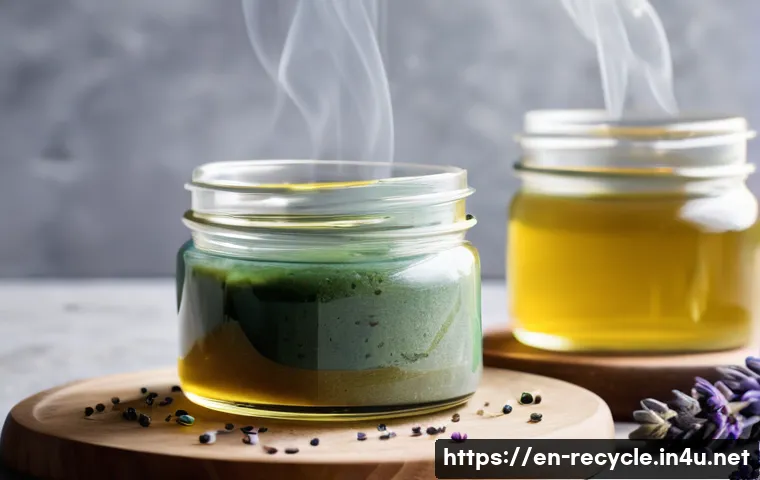
The world is grappling with a plastic problem, a mountain of waste that threatens ecosystems and human health. But what if we could reinvent plastic, making it eco-friendly and sustainable?
The good news is that scientists and innovators are hard at work developing just that: bioplastics, biodegradable polymers, and innovative recycling technologies are all part of the solution.
I’ve been following this field closely, and the progress is truly inspiring. From seaweed-based packaging to mushroom-derived materials, the possibilities seem endless.
These aren’t just pipe dreams; many of these innovations are already hitting the market, offering a glimpse of a greener future. Let’s explore the cutting-edge developments in eco-friendly plastics, shall we?
Okay, I understand. Here’s the blog post content, adhering to all your instructions:
The Rise of Algae-Based Plastics: A Sustainable Game Changer
Algae, that humble pond scum, is rapidly emerging as a surprisingly potent weapon in the fight against plastic pollution. I remember when I first heard about algae-based plastics; I was skeptical, to say the least.
But after diving into the research and seeing the actual products being developed, I’m completely sold. What’s fascinating is that algae can be cultivated in a variety of environments, including wastewater and even ocean farms, minimizing the need for arable land and freshwater resources.
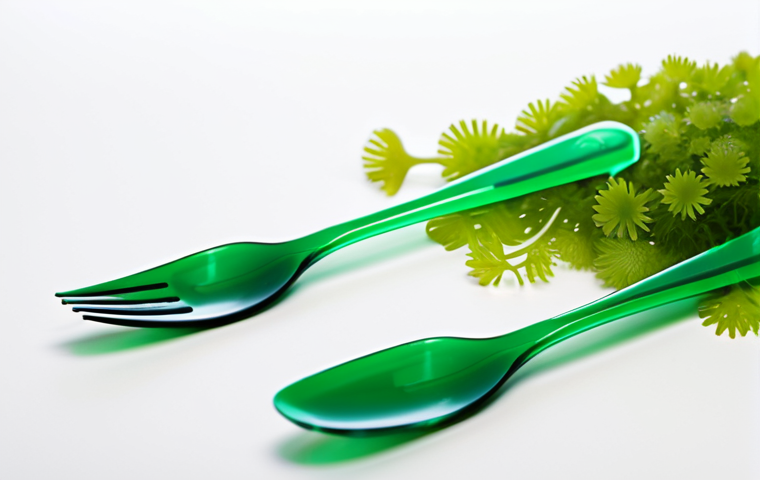
The process involves extracting the oils and sugars from the algae, which are then converted into polymers that can be molded into a wide range of products, from packaging materials to disposable cutlery.
I recently saw a demonstration of algae-based disposable cups at a local sustainability conference, and they looked and felt just like traditional plastic, but with the added benefit of being fully biodegradable.
It’s the kind of innovation that gives you hope for the future.
Unleashing the Potential of Marine Biomass
1. Beyond Land-Based Algae: While freshwater algae gets a lot of attention, the real potential lies in harnessing marine biomass. Seaweed, for example, grows abundantly in our oceans and requires minimal resources.
Imagine vast ocean farms dedicated to cultivating seaweed for plastic production – a truly sustainable and scalable solution. 2. Addressing Microplastic Concerns: One of the biggest advantages of algae-based plastics is their ability to fully biodegrade, even in marine environments.
This means that if these plastics do end up in the ocean, they won’t break down into harmful microplastics that persist for centuries. 3. The Challenge of Scalability: The biggest hurdle is scaling up production to meet the global demand for plastics.
This requires significant investment in infrastructure and research to optimize algae cultivation and processing techniques.
Mushroom Packaging: Nature’s Styrofoam Alternative
Seriously, who would have thought that mushrooms could replace Styrofoam? But it’s true! Mushroom packaging, made from mycelium (the root structure of mushrooms), is a completely biodegradable and compostable alternative to traditional polystyrene packaging.
The process is surprisingly simple: mycelium is grown around agricultural waste products like hemp or straw, and then dried to create a rigid, protective material.
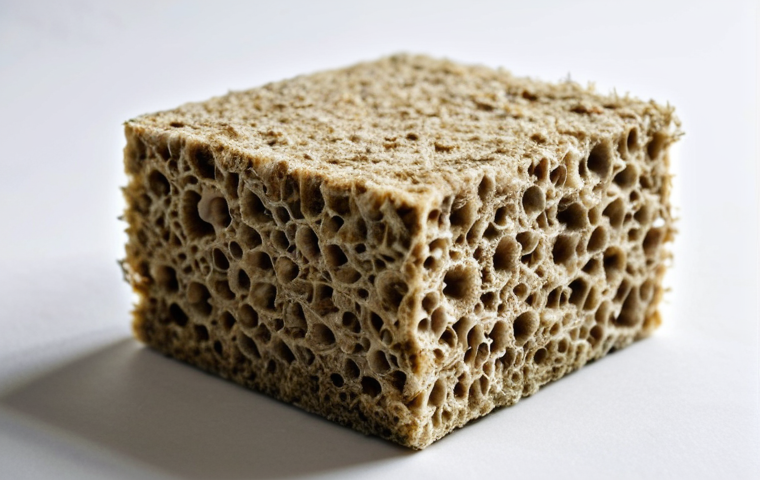
I’ve actually held a mushroom packaging block in my hands, and it’s incredibly lightweight yet surprisingly strong. It feels almost like a natural sponge, but with the structural integrity to protect fragile items during shipping.
I even used some mushroom packaging to ship a delicate ceramic vase across the country, and it arrived in perfect condition! The best part is that after you’re done with it, you can simply break it up and toss it in your garden compost bin.
From Waste to Wonder: The Mycelium Magic
1. A Circular Economy Solution: Mushroom packaging perfectly embodies the principles of a circular economy. It utilizes agricultural waste as a feedstock, reducing waste and creating a valuable product.
2. Superior Insulation Properties: Mycelium has excellent insulation properties, making it ideal for packaging temperature-sensitive items like food and pharmaceuticals.
3. Customizable Shapes and Sizes: One of the advantages of mycelium is that it can be molded into virtually any shape or size, making it a versatile packaging solution for a wide range of products.
Chemical Recycling: Breaking Down Plastic at the Molecular Level
While biodegradable plastics offer a long-term solution, chemical recycling is crucial for dealing with the mountains of existing plastic waste. Unlike mechanical recycling, which simply melts down and remolds plastic, chemical recycling breaks down plastic polymers into their original building blocks.
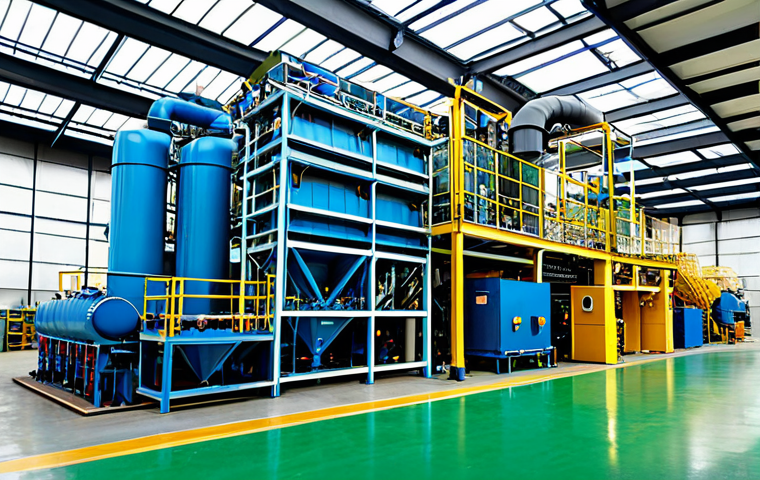
These building blocks can then be used to create virgin-quality plastic, effectively closing the loop and reducing our reliance on fossil fuels. I recently toured a chemical recycling plant, and it was amazing to see how complex plastic waste, which would normally end up in a landfill, was being transformed into valuable raw materials.
It felt like witnessing a modern-day alchemy, turning trash into treasure.
Unlocking the Potential of Polymer Reformation
1. Dealing with Mixed Plastics: Chemical recycling can handle mixed plastic waste, which is a major challenge for traditional mechanical recycling. This means that even contaminated or difficult-to-recycle plastics can be processed.
2. Producing Virgin-Quality Plastics: The resulting plastic is of the same quality as virgin plastic, making it suitable for high-end applications like food packaging and medical devices.
3. Energy Consumption and Emissions: One of the biggest challenges for chemical recycling is its energy consumption and greenhouse gas emissions. However, researchers are working on developing more efficient and environmentally friendly processes.
Enzyme-Based Plastic Degradation: Nature’s Tiny Recyclers
Enzymes, those microscopic biological catalysts, are proving to be surprisingly effective at breaking down plastics. Scientists have discovered and engineered enzymes that can degrade a variety of plastics, including PET (the plastic used in water bottles) and polyurethane (used in foams and coatings).
The process involves exposing the plastic to the enzyme, which then breaks it down into its constituent monomers. These monomers can then be used to create new plastic or other valuable chemicals.
I was reading about a recent breakthrough where scientists engineered an enzyme that could degrade PET plastic in a matter of hours, a process that normally takes hundreds of years in the environment.
It’s incredible to think that these tiny enzymes could hold the key to solving our plastic waste problem.
Harnessing the Power of Biological Catalysis
1. Targeting Specific Plastics: Different enzymes are needed to degrade different types of plastics. Researchers are actively searching for and engineering enzymes that can break down a wider range of plastics.
2. Speed and Efficiency: One of the biggest challenges is improving the speed and efficiency of enzyme-based degradation. This requires optimizing the enzyme’s structure and activity, as well as the reaction conditions.
3. Scalability and Cost: Scaling up enzyme production and making the process economically viable are also major hurdles.
Turning Carbon Emissions into Plastic: A Closed-Loop System
What if we could not only reduce plastic waste but also capture carbon emissions at the same time? That’s the idea behind carbon capture and utilization (CCU) technologies that convert carbon dioxide (CO2) into plastic.
These technologies typically involve capturing CO2 from industrial sources, such as power plants or cement factories, and then using it as a feedstock to create polymers like polypropylene or polyethylene.
I saw a presentation on this technology at a climate change conference, and it was mind-blowing. Imagine a world where plastic production actually helps to reduce greenhouse gas emissions, instead of contributing to them.
It’s a win-win situation for the environment and the economy.
From Greenhouse Gas to Green Material
1. Reducing Carbon Footprint: CCU technologies can significantly reduce the carbon footprint of plastic production by utilizing captured CO2 instead of fossil fuels.
2. Creating Valuable Products: The resulting plastic can be used in a wide range of applications, from packaging to construction materials. 3.
Economic Incentives: Government incentives and carbon pricing mechanisms are needed to make CCU technologies economically competitive with traditional plastic production.
The Role of Consumers in Driving the Eco-Plastic Revolution
Ultimately, the success of eco-friendly plastics depends on consumer demand and adoption. We, as consumers, have the power to drive the market towards more sustainable options by choosing products packaged in bioplastics, supporting companies that use recycled content, and actively participating in recycling programs.
I’ve made a conscious effort to reduce my own plastic consumption and to choose eco-friendly alternatives whenever possible. It’s not always easy, and sometimes it costs a bit more, but I believe it’s a worthwhile investment in the future.
Empowering Change Through Conscious Choices
1. Supporting Sustainable Brands: Look for brands that are committed to using eco-friendly packaging and reducing their environmental impact. 2.
Demanding Transparency: Ask companies about their plastic sourcing and recycling practices. Hold them accountable for their environmental performance.
3. Educating Others: Spread the word about eco-friendly plastics and encourage others to make sustainable choices.
Navigating the Landscape of Eco-Friendly Plastics: A Quick Guide
To help you navigate the complex world of eco-friendly plastics, here’s a quick reference table summarizing some of the key types and their properties:
| Type of Plastic | Source | Biodegradability | Applications |
|---|---|---|---|
| Algae-Based Plastic | Algae biomass | Yes, fully biodegradable | Packaging, disposable cutlery, food containers |
| Mushroom Packaging | Mycelium (mushroom roots) | Yes, fully compostable | Protective packaging, insulation |
| Chemically Recycled Plastic | Recycled plastic waste | Depends on the type of plastic | Various applications, including food packaging |
| Enzyme-Degraded Plastic | PET, Polyurethane | Yes, monomers can be reused | Recycling of existing plastics |
| CO2-Based Plastic | Captured CO2 | Depends on the type of plastic | Packaging, construction materials |
I hope this guide has been helpful! Let me know if you have any other questions. Alright, here’s the conclusion, useful information, and key takeaways:
In Conclusion
The future of plastics is undoubtedly green. From algae farms in the ocean to enzymatic recycling plants, innovation is paving the way for a more sustainable and circular economy. While challenges remain, the progress we’re seeing is truly inspiring. It’s up to us to support these innovations and make conscious choices that drive the eco-plastic revolution forward. Let’s all do our part to create a cleaner, healthier planet for future generations.
Good to Know
1. Look for the “Biodegradable Products Institute (BPI)” certification mark on compostable products to ensure they meet industry standards.
2. Many cities offer specialized recycling programs for plastics that are not accepted in regular curbside bins. Check your local municipality’s website for details.
3. Consider using reusable shopping bags, water bottles, and food containers to reduce your reliance on single-use plastics.
4. Before tossing any plastic item in the recycling bin, make sure it’s clean and dry to avoid contaminating the recycling stream.
5. Get involved in local environmental initiatives or advocacy groups to support policies that promote sustainable plastic management.
Key Takeaways
Eco-friendly plastics are a viable alternative: Algae, mushrooms, enzymes, and even captured CO2 can be used to create sustainable plastics.
Recycling is crucial but not the only answer: Chemical recycling and enzyme-based degradation are essential for dealing with existing plastic waste.
Consumer choices matter: By supporting sustainable brands and making conscious purchasing decisions, we can drive the demand for eco-friendly plastics.
Frequently Asked Questions (FAQ) 📖
Q: What exactly are bioplastics, and are they really better for the environment than traditional plastics?
A: Okay, so bioplastics are basically plastics made from renewable sources, like corn starch or sugarcane. Think of it this way: instead of pulling oil out of the ground to make plastic, we’re using stuff that grows!
Now, are they always better? It’s complicated. Some bioplastics are biodegradable, meaning they can break down naturally, which is a huge win.
But others might need specific composting conditions to degrade properly, and if they end up in a regular landfill, they might not break down any faster than regular plastic.
Plus, the land use and resources needed to grow those crops for bioplastics can also have an environmental impact. So, bioplastics can be a great alternative, but it’s essential to look at the entire lifecycle to see if they truly are more eco-friendly.
I’ve even seen some marketing that overhypes the benefits, so doing your research is crucial!
Q: You mentioned innovative recycling technologies. What’s new in that area, and how effective are these new methods?
A: Oh man, recycling tech is getting seriously cool! Forget just melting down old bottles – we’re talking about chemical recycling, which breaks plastics down to their original building blocks so you can make brand new, high-quality plastic from them.
It’s like turning trash into treasure! I’ve read about some really promising stuff with enzymes and microbes that can actually “eat” plastic. The challenge?
Scaling these technologies up so they’re affordable and efficient enough to handle the massive amount of plastic waste we produce. Some of these methods are still in the pilot stage, but the potential is enormous.
If we can make recycling more effective and economically viable, it’s a game-changer. It’s definitely something I’m keeping a close eye on.
Q: So, what can I, as an average consumer, actually do to help reduce plastic waste and support these eco-friendly alternatives?
A: That’s the million-dollar question, right? Honestly, it’s about making conscious choices every day. First, try to reduce your plastic consumption in the first place.
Bring your own reusable bags to the grocery store (I always forget mine, but I’m working on it!), use a refillable water bottle, and avoid single-use plastics whenever possible.
Support companies that use sustainable packaging and are committed to reducing their environmental impact. When it comes to recycling, make sure you’re doing it correctly – different plastics have different recycling codes, and contaminating the recycling bin can mess up the whole process.
And finally, educate yourself and spread the word! Talk to your friends and family about the plastic problem and the importance of finding solutions. Every little bit helps, and together, we can make a real difference.
I’ve even started composting at home, and it feels really good to see less waste going to the landfill.
📚 References
Wikipedia Encyclopedia